A linear dictation of history is impossible since we study how different powers simultaneously grew in different regions and how they interacted. Regardless, the following list should be fairly structured in order of events. Keep relying on backlinks and outlinks to explore.
Advent of Europeans
A brief history of colonial powers in India and how British gained a strong control over Indian territory. Most wars in this section are not actually for empire building, but rather to secure and protect trade interests. However, the Treaty of Allahabad 1765 marked a transition where EIC started engaging itself with “ruling” rather than “trading”.
Colonialism
What is colonialism?
establishment, exploitation, maintenance, acquisition & expansion of colonies in one territory by people from other territoy
Unequal rel b/w
- colonial pwr & colony
- settlers and indigenous ppl
Background
Link to original
- 13CE - Marco Polo discovered China (as if did not exist before!)
- huge monetary profits - eg. Venice became main port for spice trade with India
- Geography: monopoly of Sea Spice route by Venice forced other EU powers to buy spices at high prices
- Ottomans blocked route in 1453 after defeating Byzantines led to quest for a new route
- Traditionally dominated by Italian traders who earned huge profits by selling Eastern goods in Europe
- Arabs dominated Arabian Sea
- Search for trade routes via North West, eventually found and Age of Discovery of 16th century began
- EU trade with East re-established
- 1498: Vasco da Gama reached Calicut via Cape of Good Hope
Portuguese in India
Beginnings
- trade done by a govt company
- began trade with S India
- set up trade centre in many parts
- main base around Surat
- Alfonso Albuquerque captured Goa in 1510 from Bijapur
- set up HQ there
- Bombay was captured in 1534 from Sultan of Guj.
- Portuguese dominated intl. trade of East India i.e. region to east of Cape of Good Hope, for 100 years
- used Hooghly as a base for piracy in Bay of Bengal
Bluewater Policy
- India has strong land powers already Portuguese did not seek pol empire; limited to dominating ocean, oceanic trade (Goa an exception)
- did armed trade, engaged in piracy, dominated ocean passages
- allowed passages only after payment of licence fee
- Cartez system
- regularly raided Arab traders
- threatened Mughal ships forcing Mughals to give trade benefits in form of
- lower duties
- perms to set up centers in India
- religious fanatic
- brutal forced conversions (in Goa)
Portuguese v British
Link to original
- Captain Hawkins of East India Company wanted to open factor in Surat
- realized Portuguese main base in Surat
- gotta defeat Portuguese 😡
- 1612: EIC got naval victory in Surat (after 12 years of inception!)
- led to EIC Advent In India
- Treaty of White Hall 1661: Brit to protect Portuguese in war
- Marriage Treaty 1661: King Charles II got Bombay in dowry (dahej?? 😟)
- 1688: EIC got Bombay on rent of 10 pound per annum
- by mid 17th century, Portuguese limited to Goa, Daman & Diu, Dadar & Nagar Haveli
East India Company
Inception
1600, Royal Charter by Queen Elizabeth
- EIC got
- monopoly over Brit trade with East Indies for 15 years
- i.e. if charter not renewed by 15yrs, company dies
- thus, company dependent on Queen. A way to maintain allegiance.
- allowed to carry gold out of England to buy eastern goods
- thus company important for Brit, as gold is important asset
- goal of EIC: trade with East, counter Dutch trade
- NOT to build empire recurring basis of many decisions
Took some time to actually rise as power. British and Dutch and eventually EIC Advent In India
Link to original
British and Dutch
- emerged as naval powers in late 16th century
- challenge: achieve freedom of navigation in oceans & end Portuguese hegemony over trade w/ east.
- 1588: Brit navy defeated a large Spanish naval fleet (Armada) in Atlantic Ocean
- now Brit & Dutch could travel to East
- Eventually led to Portuguese v British
British v Dutch
Link to original
- After Portuguese eliminated in Portuguese v British, Dutch was a competitor
- mid 17th century, Brit won in India, while Dutch in Indonesia (from Portuguese)
- Both compromised to not attack each other territories
- Brit however stayed in Malaya and Singapore
- Dutch by 1669 set up base in Cochin
- removed in 1741 by Martanda Verma of Travancore
- By 1795, Dutch totally removed from South Asia by EIC
EIC Advent In India
Beginnings after defeating Portuguese
- Royal Farman 1612 from Jahangir: EIC got right to set up factories on the west coast
- Surat factory estd. in 1612
- Royal Farman 1617: EIC got right to establish factories in whole of Mughal empire and got liberal trading rights
- 1620: finally Portuguese defeated completely
- 3 Presidencies overall
- refer: Presidencies of EIC
Events in Empire Building
Carnatic Wars
Battle of Plassey 1757
- formally started empire building in India
- heading towards political supremacy
- refer: Battle of Plassey 1757
Battle of Buxar 1764
- led to EIC getting power to rule india
- though they actually started ruling in 1772
- refer: Battle of Buxar 1764
Treaty of Allahabad
- EIC promised to pay tribute, was a Mansabdar with name Company Bahadur
- refer: Treaty of Allahabad 1765
Policies regarding Indian states
Policy of Indirect Rule
- EIC took over both diwani and nizamat of Bengal by stationing their official in court and controlling officers
- refer: Policy of Indirect Rule 1757+
Policy of Ring Fence
- guarding core interest regions of EIC by signing military alliance with neighbors eg. Awadh
- refer: Policy of Ring Fence
Policy of Subordinate Alliance
Policy of Subordinate Isolation
Policy of Subordinate Union
The Anglo Maratha Wars
Link to original
- I conveniently skipped making notes
First Carnatic War 1746-48
The Story
- Joseph Dupleix defeated East India Company, captured Fort St. George (Madras) but refused to hand it over to Nawab of Carnatic as promised
- led to decisive Battle of Adyax 1746
- 700 french trained Indian sepoys defeated Carnatic army of 10K 😱
Link to originalResult
- Treaty of Aix La Chapele 1748 b/w Brit & France led to France getting back its territory in North America while Brit got back Madras
- Superiority of EU infantry armed with better guns against Indian cavalry proven
Second Carnatic War 1749-54
The Story
- Joseph Dupleix got opportunity in form of succession disputes in Hyd & Carnatic
- Struggles:
- Hyd: Nasir Jung v Muzaffar Jung
- Carnatic: Md. Ali vs Chanda Sahib
- Dupleix supported Muzaffar Jung and Chanda Sahib
- wanted pol, eco influence by putting his people in power
- anxious East India Company supported Nasir Jung and Md. Ali
- Dupleix and Bussy won 1st phase while RC5760 of EIC won 2nd phase
- Post 1t phase, Muzaffar Jung was declared Nizam of Hyd & Chanda Sahib as Nawab of Carnatic
- EIC got victory by 1754
- french defeated in Trichinopoly
Treaty of Pondicherry 1754
- Dupleix replaced by Godehen due to high war expendiure
- France allowed to retain assets in Pondicherry, bases in Carnatic, Northern Sarkars & French agent in Hyd Court
Link to originalResult
French influence continued in Hyd while Brit estd influence in Carnatic
Third Carnatic War 1756-63
The Story
- 7yr long war 🤯
- fought in America, Europe, Africa & India
Why French lost?
- Tactical mistake: Bussy left Northern Sarkers unguarded to help Lally in Carnatic.
- Poor leadership of lally
- superior Brit navy
- most decisive: Battle of wandiwash 1760: French defeated everywhere incl Pondicherry.
Link to originalResult
French defeated everywhere. Treaty of Paris 1763 France last all gains in India since 1749. Barred from army or fortifying bases. EIC pol influence & empire building increased
Battle of Plassey 1757
Conquest & political supremacy of British began in India
Background
Royal Farman 1717 where FS1319 gave East India Company - Right to duty free trade in Bengal, Gujarat, Deccan - Right to use Royal Mint - Right to rent 38 villages around Calcutta
But EIC officials misused dastak to evade duty for personal trade. Also sold dastak to other merchants. By 1750s, pvt trade by EIC officials was worth 100K pounds. (50 times their annual salaries)
Reasons for battle
- Origin of conflict: Murshid Quli Khan allowed duty free trade, but not misuse of dastak or royal mint because Bengal was losing tax revenue.
- Britain France rivalry: Afraid of French, EIC was fortifying Fort Williams (Calcutta) but without permissions of Alivardi Khan.
- Role of Siraj ud Daula: acted in haste, stopped all dastak misuse
- when Brits gave asylum to Krishna Ballabh, fugitive from court charged with fraud by Siraj and Brit did more fortifications in Calcutta, Siraj took over the EIC factory in Kasim Bazar an captured Calcutta and renamed it Alinagar
- Blackhole Tragedy: 30 Brits killed due to suffocation in overcrowded room
Random tidbit
Later Gov. Holwell in 1760 built Holwell monument in memory. Netaji in 1940 successfully led a movement to destroy it as it was constructed to tarnish image of Siraj.
Events
- RC5760 arrived with royal military from Madras and defeated Siraj, recaptured Calcutta
- Treaty of Alinagar 1757 b/w RC5760 and Siraj restored all privileges of EIC
- Brit destroyed Hoogly port (was imp for French) and defeated French at Chandernagar
- Jagat Seth via Mir Jafar (war commander) bribed EIC & RC5760 to replace Siraj w/ Jafar. There was rivalry b/w Siraj and Ijardars, bankers, merchant, nobles. Also, indian merchants, bankers gained from business with EIC
- MJ ensured that maj of Bengal army does not fight in Battle of Plassey 1757 Siraaj easily defeated, ran away and later beheaded
Impact
Link to original
- Now MJ5760,6365 was puppet of EIC political supremacy and conquest by EIC began
- Plassey Plunder:
- economic exploitation and financial gains by EIC after battle
- 2533K pounds given to royal military for distribution among soldiers, 2.25Cr INR to EIC & 234K pounds to RC5760 along with personal jagir of 35K pounds per annum
- imposed heavy taxes, trade monopoly, corrupt practices, rampant misuse of dastaks
- structure of EIC changed as Brit gold no longer necessary. Indian money used to buy indian goods
- thus drain of wealth began
- EIC started army building
- When MJ5760,6365 could not pay mare, EIC replaced him with his son Mir Kasim
Battle of Buxar 1764
Led to EIC getting power to rule India (actually began ruling later in 1772). Qasim shifted from Murshidabad to Bihar to be physically away from Brit and act independently. EIC after Battle of Plassey 1757 began dominating even domestic trade but Qasim ended all internal duties.
EIC did not like this autonomous behaviour so defeated Qasim and replaced with Mir Jafar.
Why Shuja defeated?
Link to original
- Tactical mistake: Shuja deployed offensive strategy rather than defensive of cutting EIC army supplies
- He ignored advice of Qasim
- EIC treated Shah Alam II 6006 with respect as in him lay sovereignty of India and with him at their side, EIC could have greater influence
Treaty of Allahabad 1765
- signed by Robert Clive (EIC), Shah Alam II and Shuja
- EIC promised 26L INR as annual tribute and promised to help emperor recapture Delhi from Rohilla Afghans. Allahabad was given to Shah Alam II
- EIC was now a mansabdar with the name Company Bahadur
Bengal and ToA
- EIC got Diwani of Bengal Suba
- i.e. Bengal, Odisha, Bihar
- i.e. revenue administration and revenues of richest province
- EIC for first time got sovereign function i.e. powers to rule
- became ruler from conquerer
- additional source of income: LR of Bengal suba + other taxes
Dual Govt (1765-72) in Bengal
- diwani (revenue administration) with EIC but Nizamat (i.e. non revenue administration) stayed with Nawab
- To eventually take over Bengal, they used Policy of Indirect Rule 1757+
Awadh and ToA
Link to original
- duty free trade for EIC in Awadh; misuse of dastak began
- Policy of Indirect Rule 1757+ initiated as now Shuja 5474 an EIC puppet + Brit resident could now be stationed in Awadh court
- Policy of Ring Fence initiated by Warren Hastings
Takeover policies
Policy of Indirect Rule 1757+
- EIC not militarily confident main goal trade
- remained isolated from indian political conflicts
- but fought to defend EIC interest i.e. trade
Bengal
Link to original
- 1765-5772: Bengal suba
- Nawab: puppet of EIC
- EIC got right to appt. deputy subedar who handled nizamat for nawab
- i.e. legal control over Diwani, illegal control over Nizamat
- Brit resident stationed in court in 1765 who by 1772 became real ruler of nizamat
- EIC administrators started looking after Diwani and Nizamat
- Reason: Poor LR collection and law and order which was blamed upon indian officials by Warren Hastings. The Great Bengal Famine 1770 led to poor LR and LnO.
Policy of Ring Fence
- protecting core interest by signing military alliance w/ neighbors
Awadh
Link to original
- associated with Warren Hastings
- creating buffer around core interest regions of East India Company by signing a military alliance with neighbors
- with military alliance, EIC could now use Awadh military for protection of Bengal
- Shuja was made to pay 50L INR to EIC
- Mini Subsidiary Alliance: EIC army permanently stationed and to be paid for by Awadh via Annual Subsidy Awadh came under military control of EIC (military alliance b/w EIC & Awadh)
- literally copying what Joseph Dupleix did in Second Carnatic War 1749-54 with Hyd i.e. outsourcing military function
- see also: Policy of Subordinate Alliance 1798
Policy of Subordinate Alliance 1798
- by Richard Wellesley
- ”Military Protection Agreement”
- PoSA = PoIR + PoRF + EIC Army + Subsidy + Foreign Policy control
- indian rulers now subordinate
Background
- ban on imperial expansion by Pitts India Act 1784 by Brit parl due to high war expenditure and loans EIC took from Brit state in 1770
- 3 Carnatic Wars
- Battle of Plassey 1757
- Battle of Buxar 1764
- 2 Anglo Maratha Wars
- EIC was to follow Policy of Indirect Rule 1757+ and maintain balance of power among indian states
- But Wellesley was empire builder, convinced Brit by overplaying Napolean fear Brit agreed for war as they wanted to protect India from other EU rivals
- Wellesley found mid path in form of Subordinate Alliance
Operation
Link to original
- Brit resident stationed in court of indian ruler
- military alliance b/w East India Company and indian ruler
- foreign policy with EIC
- EIC maintains army for indian state in return for annual subsidy
- but EIC used this army for themselves
- drain of wealth in form of subsidy
- Indian rulers had to inc taxes to pay subsidy made them unpopular
- EIC accused indian rulers of maladministration
- eventually powers shifted to Brit resident
Policy of Subordinate Isolation 1813-1858
Link to original
- also called Policy of Paramountcy
- initiated by Warren Hastings
- militarily confident EIC subordinated Indian rulers and stayed out of indian political conflicts unless EIC interests at stake
- similar to Policy of Subordinate Alliance 1798 but EIC now also controls internal affairs
Policy of Subordinate Union 1858-1947
Link to original
- as a reaction to 1857 Revolt
- indian rulers not just subordinate, but now also part of Brit empire
- paramountcy became legal relationship
- exact british relationship varied from state to state depending on need
- but they could control all aspects of indian states whenever required
Dalhousie Enters India
Is this an important topic???
Link to original
British Ideologies
Orientalism
- englishmen considered themselves trustee of india
- William Jones studied Indian cultures
- proposed EU & IN langs of same family
- thus elevating status of Indian civilization to the west
- Local institutions set up
- Calcutta Madrasa 1781
- Asiatic Society of Bengal 1784
- Sanskrit College, Banaras 1791
- Warren Hastings adopted orientalist policies
- rule india the india way (indian laws and customs)
- evolved the Rhetoric of Love
Authoritarianism
- Study of Indian scriptures strengthened the realization that past was glorious, present degenerated, thus only Brits authority can impose civilized culture on Indians
- Cornwallis was authoritarian
- imposed Brit policies and administrative culture
- increase after 1857 Revolt
Liberalism
- theme was that British have conquered India through acts of sins and now it is time to transition to motto “civilise and not conquer”
- Macaulay was a liberal
Utilitarianism
- civilise via good laws and good government with focus on maximising the good for the majority
- india’s glorious past a myth, whats needed was an effective schoolmaster i.e. good government, good laws
Evangelism
Link to original
- christianity is path to civilisation
- Charter Act 1813 allowed unrestricted entry of missionaries in india
Land Revenue Systems of British
Why are traders engaging in land revenue?
While LR is a subject of Government or administration, it was a major source of income from India. Thus, even in early times when they had trading intentions, they actively engaged in revenue collection as a source of income.
Farming System 1772
- similar to ijardari system
- i.e. based on Orientalism
- right to collect LR auctioned to highest bidder (revenue farmer)
- 1770 Great Bengal Famine low LR inc LR via ijardari system
Permanent Settlement System 1793
Land became a commodity after this, since concept of legal owner of land came.
- landowner made owner of land
- political reasons (get their support)
- created loyal zamindar class
- economic reasons
- ideological (Cornwallis background)
- ryot oppressed, became tenants at will
- assessment done to decide quantum of tax (field survey)
- security of income for gov
- rise of jotedars who purchased zamindar land in auction to keep land within extended family
- Cornwallis 8693 took away police powers of zamindar
- thus, zamindar = agrarian capitalist now
- But Wellesley Regulation VII 1799 restored police powers
- eg imprisonment, property seizure
- many peasant revolts post 1793
Rent Act 1859
- occupancy rights to peasants who cultivated land > 12 years
- not implemented properly
- zamindar removed ryot before 12 years
- indigo revolt, Pabna Agrarian League 1873
Bengal Tenany Act 1885
- Ryot given occupancy if cultivated diff lands in same village > 12 yr
- implemented properly ✅
Ryotwari System
- by Thomas Munroe
- implemented in SCAM-B
- Sindh
- Coorg
- Assam
- Madras
- Bombay
Reasons
- Munroe orientalist
- big zamindar unavailable in Madras
- more income if no middleman
- loyalty of masses
- power of non state actors decrease
- poligars, deshmukh
- land assessment not permanent
- tax could be inc as per state requirement
Execution
- land assessed to determine quantum of tax
- Ryot cultivated land, gave revenue directly to govt. No intermediaries
Impact
- improper field survmey high LR ryot lost land cuz can’t pay LR
- Mirasidar who joined lower bureaucracy as revenue officials and were corrupt bought best lands in action. They emerged as big landowners.
- govt goal to remove intermediary failed
- Madras Torture Commission 1885: revealed this oppression and finally relief came proper field survey conducted
These events also explain why Madras was mostly quiet in 1857 revolt.
Mahalwari System
- respect village economy
- village community collected revenue and forwarded to government
- illusion of non interference by brit
Impact
Link to original
- many talukdars lost milkiyat to ryot
- improper field survey loss of land in govt auction
- contributed to 1857 revolt
Rule by EIC and British State
The transfer of powers from EIC to British State and their political policies, administration. While this seems like a dump of Acts, the underlying narrative and political intentions bind them together. Overall, EIC autonomy is crippled slowly and the power shifts to British Crown, while parallely expanding political operations in India.
Parliament and EIC
Essence
Rivalry b/w Brit State & EIC eventually EIC rule ended
Reason
- EIC was non state entity which entered domain of state
- EIC became very powerful (economically, militarily)
- concern for Brit taxpayer money which EIC investing in empire building
- monopoly of EIC no longer in line with Brit national interest
- EIC was trading company with no purpose after Industrial Revolution
Select Committee of Parliament 1772
- EIC requested 1M pound loan as it was going bankrupt 👀
- After Great Bengal Famine 1770, LR income declined trade income declined EIC bankrupt
- acted as opportunity for brit parl to bring EIC under regulation
- Select Committee set up to look into EIC affairs in India and its rel w/ Brit state
- issue of high war expenditure main reason why EIC bankrupt
Result
Link to original
- Court of Directors (CoD) of EIC made accountable for EIC administration in India + also led to Regulating Act 1773
- CoD made accountable because EIC redirected all questions to governors in india
Regulating Act 1773
Introduced after Brit Parl wanted control over EIC. Also called Lord North Act.
Powers of GG
This is the time when "Centre" was born. Centralization of power peaks in Charter Act 1833.
- GBe elevated to GGBe
- GB, GM subordinate to GGBe in matters of war and peace except emergency circumstances
- Supreme Council of Bengal or GG council was created
- GG + 4 councillors to ensure democratic decisions
- GG had binding decision only when casting vote
- first head: Warren Hastings
- legislative function given to GG council
- i.e. common legis and exec
- journey towards Parliament, Council of Ministers has begun
- GB & GM could be suspended by GGBe if they disobeyed in matters of war and peace
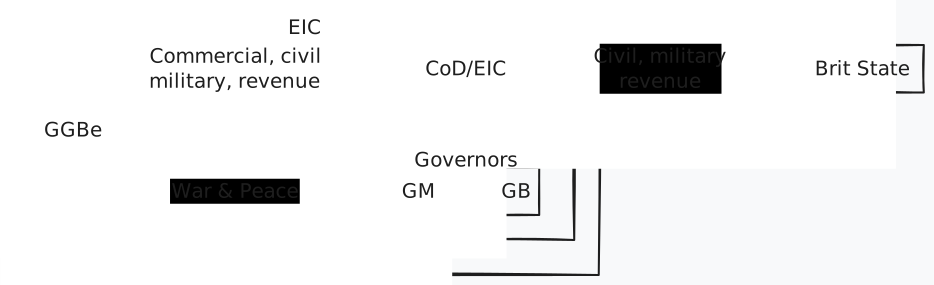
Powers of Brit State
- for the first time, right of Parl to regulate EIC affairs legally
- only pol affairs in supervision; commercial affairs still with EIC
- such respect for capitalism 🛐
- Supreme Court to be set up in Calcutta with one chief justice & 3 judges
- to apply brit laws to brits
- Jurisdiction of SC: all cases of Brits in Bengal Suba & their indian servants
- GGBe & his council ministers headed Sadar Diwani Adalat (civil, revenue) and Sadar Nizamat Adalat (criminal).
graph TD
A[GGBe] --> B[SDA] & C[SNA]
D[SC] --> E["Cases involving
brits"]
Corruption
- banned taking gifts from indians
Tenure
Idea
long tenure makes one extra powerful
- 4yr for CoD of EIC; no re-election by shareholders
- 5yr for GGBe (could be reappointed or dismissed)
- all appointments done by EIC; all were EIC employees
Result
Link to original
- huge dist b/w indian/london poor supervision
- centralization of power in GGBe journey of central govt began
- vague wording of emergency meant that GB & GM acted independent in practice
- eg. signed Treaty of Surat 1775 without asking GGBe
- disunity in GGBe council & lack of veto problem of indecision
- conflict b/w SC & GG council due to lack of jurisdiction
- eventually led to Amending Act 1781
- For more control, Pitts India Act 1784 enacted

Amending Act 1781
Link to original
- also called Bengal Judicature Act or Declaratory Act
- All cases related to EIC property in Fort Williams or Brits go to GGBe
Pitts India Act 1784
Background
Brit State lost 13 colonies in North America in 1783 fear of EIC declaring independence focus of Act on control & supervision.
Brit State
- for first time British Territorial Possessions in India used
- British trying to call India their possession rather than Company’s
- but issues of sovereignty not yet clear
- Political affairs of East India Company brought under supreme control of Parliament by setting up Board of Control in London (like a ministry)
- Political/ civil, military, revenue matters under BoC
- Commercial still with CoD/EIC
- BoC: 6 members
- Secretary of State
- Chancellor of Exchequer
- 4 privy council ministers
Role of Board of Control
- superintend direct and control all acts, ops and control related to CMR
- Govt. of British Territorial Possessions in East Indies
- CoD to send all incoming & outgoing letters for India to Boc
- Principal servants of EIC in India to be appt. by EIC but only after approval of Crown
- EIC retained commerce and patronage
- Dual control over GGBe
Powers of GGBe
- GB & GM subordinated to GGBe in war, peace, revenue
- responsibilities of GG & Gov clearly defined to overcome weakness created by vague wordings
- problem of indecision: GG council size reduced to 3
- GGBe given 2 votes: 1 regular, 1 casting
- council of 3 headed by governor was also created in B, M
- Imperial expansion banned due to high war expenditure in Anglo Maratha war
Conquest of India is repugnant to the wish, policy and honor of this nation.
Impact
Link to original
- dual control of GG meant no control as he could play his 2 masters against each other
- still no vote to GG in his council
- issue of indecision continues
- fixed in Amending Act 1786
- conflict b/w GG and CIC as decision of war and peace with GG but right to use army with Commander in Chief (CIC)
Amending Act 1786
Link to original
- veto to GG over his council in extraordinary circumsances
- no indecision any more
- EIC can now appt same person as both GG and CIC
- Cornwallis first to be both GG & CIC.
- Warren Hastings: first GGBe
- 1883: Bentick 2835 - 1st GG
- 1858: Canning 1st viceroy & GGln
- above system of controlling EIC continued till 1858 with very little change
Charter Act 1793
Changes In India
Philosophy
Accessible civil law followed by courts. Cornwallis was anti corruption, pro rule of law and belief in right to property of zamindar.
- regulations dealt with Rights of persons, property
- contained rules and directives
- Courts bound to follow these regulations
- all laws to be printed in vernaculars so that common people knew their rights and privileges
British State
- subjects of crown cannot acquire sovereign power over territory on their own but only on behalf of Crown
- East India Company was to exercise its power only on behalf of State
- size of BoC decreased
- power of Prez of BoC increased (juniors won’t oppose)
- Salary of BoC given by EIC
- drain theory: if Brits give, then salary comes from Britain. But if EIC gives, then Indian money goes to Brit.
Powers of GG
Link to original
- GG power over GB & GM increased further
Daroga System 1793
- no police powers to Zamindar
- district = thanas of 30sq miles
- thana under daroga
- daroga under DM
graph TB A[DM] --> B[Daroga] --> C[Thana]Link to original
- result = daroga DM nexus
- police powers given to subordinates of DC
- over concentration of power led to oppression
- revealed in Madras Torture Commission 1885
- refer: Impact of Ryotwari System
Charter Act 1813
- renewed charter for another 20 years
- Westernization of India began 😱😩
Ideology
- based on Utilitarianism and Evangelism
- the shift away from Orientalism was a major contributor to 1857 revolt.
- fulfilling White Man’s Burden
- Industrial Revolution (1750-1850) led to rise of machine based factories and now Brit wants to use India as a source of cheap raw materials and export market for finished Brit goods
- high pressure from manufacturers and free traders to end EIC monopoly
- Adam Smith (the capitalist) argued for free market
- opening India to non EIC business would westernize india and Brit gets power
Changes on Side of British State
- undoubted sovereignty over Indian territorial possessions
- monopoly of EIC with India ended
- EIC still maintained monopoly trade with China for Tea, Opium
Cultural Colonialism
Link to original
- Goal: moral & spiritual development of India 🧐
- push for western education, social reforms, Christianity
- EIC to spend 1L/yr for in india for Western English edu
- entry of Christian missionaries allowed by taking licence from CoD or from BoC
Charter Act 1833
Also called St. Helena Act
British State
- EIC lost monopoly over tea, opium, trade with china
- commercial affairs of EIC ended EIC has only pol powers that too on behalf of Crown
- BoC supremacy extended to all administrative affairs in india
- Prez of BoC in 1833 was renamed as Minister of Indian Affairs
Powers of GG
Link to original
- GGBe elevated to GG India with direct control over all Brit India’s MR matters
- high no. of Brits entered india, need for uniform law, admin in whole of Brit India
- GG in council now to be the exec & legis head of Brit India
- i.e. empowered to make and administer laws
- consequently, legis powers of GB and GM taken away
- Centralization of power which started in Regulating Act 1773 has now peaked
- India has a strong centre till date
- decentralization from centre to province during Indian Councils Act 1861 1935
- Thomas Macaulay added to GCI council
- law commission under Macaulay to be setup for codification of laws which completed by 1837
- deliberation, updation continued and full implementation in form of
- CPC 1859
- IPC 1860
- CrCP 1861
- laws were to be equally applicable to indians and brits in india
- i.e. looks like racial equality but spl. privileges for brits continued
- no person to be deprived chance to enter EIC service on grounds of RRCB
- Bentick 2635 already encouraging recruiting indians in higher judiciary
- now judicial services & lower Civil Services during EIC open to indians
Charter Act 1853
British State
Link to original
- charter not renewed for 20 years but only till parl specified
- sword now hanging on EIC neck ⚔️
- EIC lost patronage
- now Civil Services during EIC exam was held (first time in 1855 in London)
- Covenated CS open to Indians
- EIC now rarely controlled policies in India
- allowed creation of post of Lieutenant Governor to reduce workload of GGI
- separation of power introduced with GG council as 6 more members added
- now size = 10
- 3 exe
- 7 legal
Government of India Act 1858
Background
- EIC blamed for mismgmt of Indian affairs after 1857 Revolt
- Brit public demanded end of EIC rule replacing absentee sovereignty with direct rule of Brit State
- WEMC wanted direct british rule for greater accountability of govt
- they believed India would modernize as IR and Democracy came in Brit under Brit State
Changes in British State
Link to original
- EIC rule ended; rule of Brit state began
- Policy of Subordinate Union 1858-1947 towards Indian rulers
- sovereignty of whole india with Crown
- legally Mughal empire ended
- Indian states made part of Brit empire as 565 Princely States with Relationship of Paramountcy with British monarch
- via Royal Titles Act 1876, Queen Victoria empowered to take title of Kesari Hind or Empress of India. In 1877, Lytton 7680 organized imperial / Delhi Darbar where Queen Victoria got coronated as Kesari Hind
- she was using title informally since 1858
- administratively, more continuation than change
- Prez of BoC replaced by Secretary of State of India who was to be main authority and in charge of India
- BoC became India Council headed by SoS with 15 members. The 7 member of CoD of EIC were absorbed into it
- dual control of GG ended as Viceroy and GG now had only one boss i.e. SOS for India
- Canning 5662 first viceroy
- Same Civil Services during EIC exam of 1853 continued & was held only in London as earlier but it was to be conducted by the govt and training to be given by govt
- Haileybury college discarded
Was the EIC Conquest Result of British Policy
Did EIC act independently in its decision to take over India even as a trading company or did the story have British influence?
Link to original
- Brit had no official policy of conquest
- conquest result of sub imperialism i.e. policies, actions & personal ambitions of senior EIC officials
- in fact, on paper, Brits banned expansion in Pitts India Act 1784
- However Brits cannot escape responsibility
- Tools of conquest (right to wage war, acquire territory) were given to EIC by state via Charters issued by Crown
- state helped in development of Presidencies
- eg. Bombay was given for a rent of just 10pounds/ annum in 1668 by King Charles II
- Royal Military helped EIC in Battle of Plassey 1757 when conquest began and also in 1857 Revolt Summary when EIC rule could have ended
- Brit Monarchy, State and important figures in polity gained financially from EIC
- 150K pouds given to Crown in 17th century for the renewal of Charters
- 1698: Parl transferred monopoly to New Company as it offered 2M pounds (compared to EIC’s 700K pounds)
- 1709 EIC and New Company merged
- 1767: EIC mandated to pay 400pounds/ annum to the state
- state wanted share of EIC loot of Bengal after Treaty of Allahabad 1765
- Many parliamentarians, Queen elizabeth were shareholders of EIC who got substantial dividends
- EIC was imp tool of foreign policy for Britain
- after Regulating Act 1773 and Pitts India Act 1784, EIC political affairs were under supervision and control of British State and principal servants of EIC (i.e. Sub imperialists) were appointed only after approval of Crown and binding orders could by passed after 1784
- the british Crown had interest in EIC’s political expansion
EIC Administration In India
Brief section on how EIC organized their administration in India and how it evolved during their rule. The topics of education ties in as British introduced Western education partly expecting to get cheap workers from Indian population.
Judiciary during EIC
Background
- during Mughal times
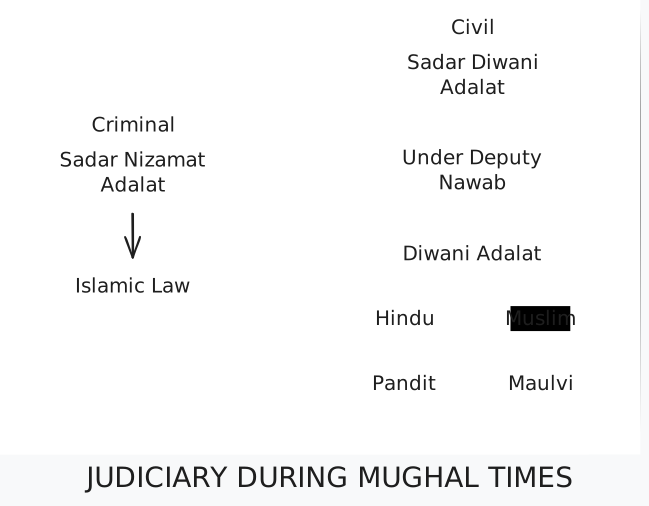
Changes by Warren Hastings 1772
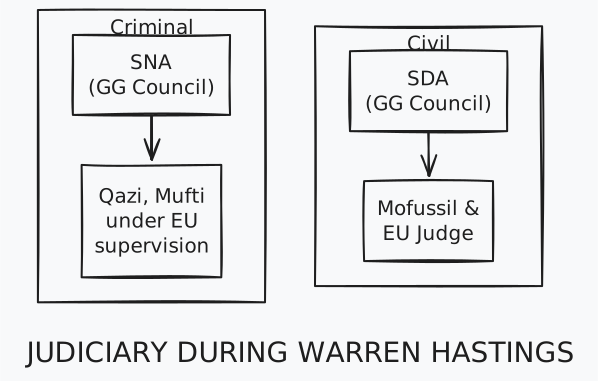
- 1773: Separation of powers was implemented at the level of EU DC
- now an officer could not be both judge and DC
- Regulating Act 1773 set up SC at Calcutta 1774
Cornwallis Code 1793
- Cornwallis reintroduced SoP at level of CCS officers to reduce concentration of power
- Civil matters
- ended Mofussil court and brought DA at district & city courts
- created a 3 tier structure of judiciary to reduce burden of cases on GGBe & Council of Members who headed SDA
- Criminal matters
- ended Nizamat Adalat in districts
- divided Bengal into 4 divisions
- Patna
- Murshidabad
- Calcutta
- Dacca
- set up a Court of Circuit in each division
Changes in Charter Act 1833
- 1 legal member added to GGIn council
- Thomas Macaulay was made the law member & a law commission set up under him for codification of laws which was completed in 1837
- Judicial position were open for indians
- GGIn in Council was made the central and single legislative authority for british india and the laws made were to be equally applicable to british & indians see also: Charter Act 1833
Reforms by William Bentick
- ended court at divisional level (i.e. Provincial Court of Appeal (civil)) and Court of Circuit (criminal) which had high pendency of cases. Reduced govt expenses.
- Indian High Court Act 1861: HC at M, B, C by 1865
- Calcutta HC created by merging SDA, SNA & SC
GoI Act 1935
Link to original
- set up federal courts for Brit India. It dealt with inter govt disputes & appeals against decisions of HC


Civil Services during EIC
Facts
- first indian: Satyendranath Tagore
- Surendranath Banerji was dismissed (racial discrimination)
Training
- 1806-1858: Haileybury College
- 1858+: in Brit universities
- initially all were civil services as provincial civil services not set up
- Cornwallis 8693 reorganized into CCS and UCS based on nature of work, pay & appt. authority
- merit based selection
- curbed pvt trade
Charter Act 1833
(refer: Charter Act 1833)
- judiciary and UCS opened to indians
- Bentick (1828-35) encouraged recruitment of Indians in some senior positions
- exam finally introduced by Charter Act 1853
Chronology
- 1854: Committee of Parl headed by Macaulay also supported idea of Permanent CS recruited thru exam instead of patronage based CS
- 1854: Civil Services Commission set up in London
- 1855: 1st exam held in London. Indians eligible too.
- age limit: 19-23
- syllabus: dominated by eng liturature
- After GoI Act 1858, training did not take place at Haileybury College, but took place at various British colleges in England
- 1860+: INM pressurized for indianization of CS
- higher age limit
- exam in india
- 1864: first indian civil servant: Satendranath Tagore
- Statutory CS Act 1878: entry to indians in CCS via nomination allowed; only loyalists chosen though
Atchinson Commission
- change in CCS, UCS to ICS, PCS, Subordinate CS (equivalent to SSC today)
1912 Islington Commission Report
- published in 1917
- recommended
- 25% indians in seniors positions via exam + promotions
- hold simultaneous exam in india
- todo links to Moderates, extremists, Swadeshi 1907, Revolutionaries 1908+, HRL 1916-18
Government of India Act 1919/ Montague Chemsford Reforms
- led to first simultaneous exam in 1922
- led to division of subjects b/w centre & provinces
graph LR
A["Indian Civil
Services"]
B["All India
Services"]
C["Central
Services"]

A --> B & C
- 33% Indians in ICS
- Public Service Commission for India exam (set up in 1926)
1923 Lee/ Royal Commission on Superior CS
- report published in 1924
- suggested composition
- 20% indians via promitions
- 20% indians via exam
- 40% brits via exam
- achieved above in 15 years
- continue with AIS, Central CS, PCS, exam in India, Londen
- implement GoI Act 1919 @ PCS
- set up in Oct 1926
- Ross Barker 1st Chairman
Government of India Act 1935
- proposed united india, therefore set up Federal PCS (1937) and Provincial PCS
Independent India
Link to original
- UPSC set up via Article 378 of Constitution of India adopted on 26 January 1950
- by 1947, 50% Indians were in AIS/CCS
Police System during EIC
Background
- upto 1781: Mughal system
- Top head: Naib Nazim
- district: faujdar
- town: kotwal
- ”ulta chor kotwaal ko daante”
- zamindar had police duties and paid village watchman
- GBF1770 led to crimes
- 1781: Warren Hastings 7385: faujdar replaced by DM
- Zamindar under DM
- result = oppressive zamindar as less number of DM
- i.e. poor supervision
Cornwallis / Daroga System 1793
refer: Daroga System 1793
Indian Police Act 1861
- 1st IPS exam held in 1893, London
refer: Indian Police Act 1861
Police Commision 1902
refer: Police Commission 1902
Link to original
Daroga System 1793
- no police powers to Zamindar
- district = thanas of 30sq miles
- thana under daroga
- daroga under DM
graph TB A[DM] --> B[Daroga] --> C[Thana]Link to original
- result = daroga DM nexus
- police powers given to subordinates of DC
- over concentration of power led to oppression
- revealed in Madras Torture Commission 1885
- refer: Impact of Ryotwari System
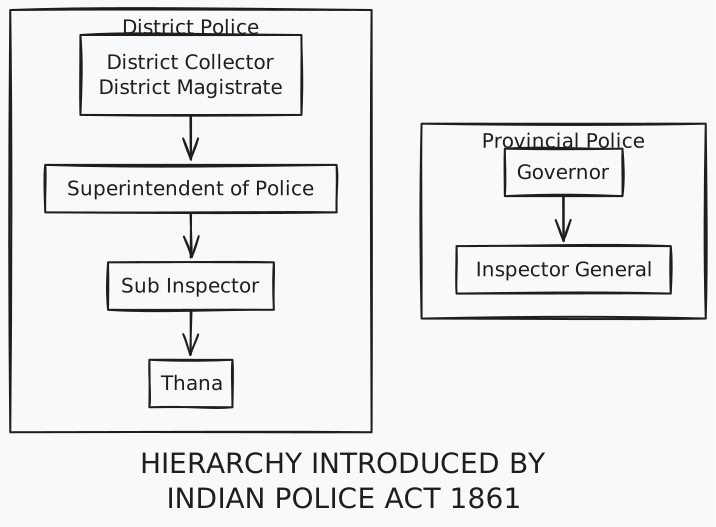
Indian Police Act 1861
- based on Irish model
- applied in
- Sindh (1843)
- Punjab (1849)
- Bombay (1853)
- Madras (1859)
- also based on Police Commission 1860
- State police concept implemented properly throughout British India
- proper hierarchy of specialists with proper chain of command== implemented
- Police Raj created and Indians excluded from all important positions
Link to original

Police Commission 1902
Link to original
- indians as IPS (but juniors)
- 1920: allow joining imperial police
- 1921: 1st simultaneous exam in England & India
- by 1931, only 20% SP Indian
- 1939+ more Indians = SP as no good Brit candidates
Educational Reforms during EIC
Background
- Charter Act 1813 mandated 1LPA on education
Reasons
- White Man’s Burden can be fulfilled
- decreased cost of administration by having educated Indians in lower bureaucracy
- anti corruption measure: education indians against EIC corruption
- brown sahib for pol. stability
- create export market for western products
- mid class wanted job they supported
- later when they didn’t actually get jobs, they used western ideas of democracy against British colonialism
Reformers
David Hare
- philanthropist in Bengal who was a matchmaker 👫
- champion of eng edu in eng lang
- set up many schools all across india for western edu
- 1817: set up Hindu College, Calcutta (now Presidency College)
- also set up Hindu School & Hare School
- 1817: set up Calcutta School Book Society w/ Radhakanta Deb
- this org set up many schools for elementary edu & printed textbooks in eng & bengali
- worked with Raja Ram Mohan Roy
William Jones
- orientalist judge of SC
- scholar of literature - indian, persian, greek, roman
- Sanskrit lit EU lit
- with Warren Hastings, led eng codification of Hindu & Islamic laws
- set up Asiatic Society of Bengal for Oriental Research 1784
John Malcom (GBo 1827-30)
- pushed for western education
Charles Metcafe (GGIn 1835-36)
- liberation of press
- evangelist & liberal in CoD of EIC
Macaulay’s Minutes on Indian Education 1835
Suggestions
Introduce western syllabus in India in English language
- result of efforts of RRR, Bentick, Macaulay
- main policy document on edu
- western edu in english
- downward filtration theory
- to create brown sahib + export market
- 1844: knowledge of eng compulsory for govt jobs
- 1847: Roorkee engg clg set up
- 1849: Bethune School for women set up by JE Drinkwater
- he was prez of council of edu
- also brought female edu under grants in aid
Woods Dispatch 1854
- was against downward filtration theory
- Goal to have army of clerks for
- less costly admin
- export market
- pol. stability
- western culture, moral development
- educate masses, not just elite
- slowly transition to english, not sudden
- primary: vernacular
- high school: eng + vernacular
- college: english
- edu dept @ provinces
- univs in M, B, C
- female edu
- but it didn’t actually improve (high fee, stereotypes)
- mass edu failed
Chronology
- Bankim - Anandmath - Bharat Mata (first calcutta uni grad)
- 1870: edu subject to provinces (but low budget)
- 1882: edu made free enterprise
- higher edu grew rapidly
- 1870: govt decreased funding for higher edu in Bengal
- reason: INMtodo
- Curzon 9905: “Univ are factories of sedition”
Indian Uni Act 1904
- after Raleigh Commission
- univs under control, less PhD, shorter tenure
- appt by govt
- no autonomy to univs
- stricter conditions for affiliation
- spend 5LPA on edu
Impact
Link to original
- 1921: 8% literacy, 2% female literacy
- no mass infra for edu
- vernacular edu suffered
- costly edu
- upper caste - British nexus
- reason, logic, rationality led to social reforms
- led to INM
- culture of public debate spread
- press popularized
- passion for science scientific societies set up
- western science discussed in press
Social Reforms
Social Reforms Summary
Major themes
- idolatory
- priestcraft
- child marriage
- widow remarriage
- infanticide
- caste
- polygamy
- polytheism
- illiteracy
Intro
- studied scriptures
- Doctrine of Logic: for human welfare
- led to
- capitalism (i.e. end of feudalism)
- modern polity
- science and tech revolution
- socio religious reforms
Why in 19th century?
- brits wanted to fulfill White Man’s Burden via social reforms (by law)
- criticisms by brits led to cultural nationalism
- doctrine of rationality, self assessment
Who provided leadership?
- Pre 1857: WEMC w/ govt support
- Post 1857: by more culturally nationalistic ppl
- at times non WEMC
- even without govt support
- high criticism of brit
- wanted non interference of brit
- extremists used cultural nationalism for pol. nationalism
See also: - Kinds of Social Reformers - Events in Social Reform
Link to original
Kinds of Social Reformers
Link to original
- Used only rationality
- Young Bengal
- Vidya Sagar (VS)
- Used both rationality & religion (more successful)
- Raja Ram Mohan Roy (RRMR)
- Swami Dayanand Saraswati (SDS)
- No mass movement focus
- RRMC
- Devendra Nath Tagore
- Mass movement focus
- SDS
- Keshav Chandra Sen
- Swami Vivekananda (SV)
- Rationality supreme
- Pre 1857 reformers - eg. RRMR
- Vedas supreme
- Post 1857
- eg. SDS, SV
- Slow pace, smaller reforms first (caste, women)
- didn’t want to anger masses by questioning popular practices
- Fast pace, bigger reforms first
- Young Bengal
- SDS
- SV
- VS
Events in Social Reform
- 1803: Richard Wellesley banned child sacrifice in Sagar Island
Derozio
- Young Bengal
- Society for Acquisition of GK 1838
- no mass mvmt cuz disregard for religion refer: Derozio (Young Bengal and Society for Acquisition of GK)
Raja Ram Mohan Roy - Brahmo Samaj 1828
Link to original
Derozio (Young Bengal and Society for Acquisition of GK)
Link to original
- Derozio & Young Bengal in 1830s
- Eurasian teacher
- his students == YB
- used only reason
- questioned everything
- pro western
- athiesm
- great at polity
- 1838: Society for Acquisition of GK (started by Derozio)
- debated & discussed western science & social reform
- no focus on mass mvmt
- failed due to total faith in western population and disregard for religion in a deeply religious society
Raja Ram Mohan Roy
Link to original
- Roy believe social reforms not possible w/ religious reforms
- high imptance of religion in social life
- called father of modern india
- student & scholar of vedas, chirstianity, persian & sanskrit literature
- questioned christian superiority on basis of his studies of Vedanta texts and christianity
- believe in universalism
- translated Upnishad to Bangla to prove that Hindu favours monotheism (i.e. universalism)
- vedas superior to hindus, but did not focus on conversion
- his response to british criticism was to go back to the pure past of vedantic traditions
- accepted decay in recent times, but past glorious
- castes divide, which is why indians lack modern nationalism
- condemned idolatory, priestcraft, child marriage, poor condition of widows, infanticide, casteism, polygamy, polytheism, illiteracy
- opposed to idea of other worldliness (hell, heaven)
- against doctrine of karma and incarnation
- argued Sati = murder
- Rationality supreme, vedas not infallible
- wanted western sciences and western edu not indian edu
- only western edu could modernize india
- eg. oppose govt setting up Sanskrit College 1824
- also influenced Macaulay’s Minutes on Indian Education 1835
- Roy also demanded SoP, Press Freedom, Indians in Civil Services and trial by jury
- Set up Brahmo Samaj 1828 but this group did not take strong stance against karma and transmigration of soul as there are central to hindu religion
Sati
Link to original
- idea of oneness of soul
- but became stereotype of ideal wife & greed of property
- suicide/murder not rooted in spiritualism
- not practiced widely
- mainly done by upper caste in bengal
- 1800+: lower caste also started practicing sati for caste mobility
- Missionaries since 1813 opposed sati, but failed
- missionaries entered india after Charter Act 1813
- scripture based debates b/w Brahmo Samaj 1828 & Dharma Sabha (Radha Kanta Dev)
- Bentinck 2835: pre-condition: Indian way (Orientalism)
- will follow whoever wins debate
- Roy won
- Sati Abolition Act 1829 came into being
Brahmo Samaj 1828
Link to original
- became major religious movement based on monotheism among the upper caste WEMC (UC-WEMC) Bengali
- so specific, failed to reach masse
- after Raja Ram Mohan Roy, Dwarka Nath Tagore (DNT) gave organizational strength
- 1860s: Bijoy Krishna Gowswami reconciled BS with vaishnavism
- Keshava Chandra Sen (KCS) v/s DNT & split in BS
- KCS was radical reformer while DNT was gradualist
- KCS wanted reforms @ caste & women
- KCS against domination of BS by UP and also supported inter-caste marriage, attacked caste system
- These issues were too sensitive for DNT who feared alienation from masses
- KCS tried mass mvmt by spreading Brahmoism among masses outside calcutta and bengal
- wanted Brahmoism as new religion
- differences led to split in 1866
- KCS set up up Brahmo Samaj of India
- DNT set up Adi Brahmo Samaj
- KCS let do Brahmo Marriage Act by Mayo
- intercaste, widow marriage legal
- but failed, as precondition of leaving hinduism
- 1878: split in KCS’ BSoI led to Sadharan Brahmo Samaj
- reason: KCS married off his minor daughter (controversy!)
- Brahmo Samaj overall failed due to multiple splits and ideological / organizational differences
Paramhansa Mandli (Maharashtra) 1849
worked like Young Bengal and failed like Young bengal
Link to original
Prarthna Samaj 1867
Link to original
- by Atmaram Pandurang with help of KCS
- dominated by UC-WEMC Marathi
- major role of MG Ranade, RG Bhandarkar, KT Telang
- goals: like KCS (gradualism)
- opened branches
- Karachi
- Gujarat
- Madras
- in Telugu areas, Veerasalingam Pantulu set up Society for Widow Remarriage
- but reforms in Madras slow as poor western edu, high casteism
MG Ranade
Link to original
- scholar, author, judge, MLA, editor, father of Indian economics
- set up Poona Sarvajanik Sabha 1870, Indian National Social Conference
- wrote Rise of Maratha Power
- worked for women reform via Maharashtra Girl’s Education Society, Prarthna Samaj 1867, Indian National Social Conference
Ishwarchandra Vidyasagar
Link to original
- prodigy & scholar in sanskrit, bangla, english, hindu law
- translated sanskrit text to eng
- Principal of Sanskrit College
- 1846: Principal of Fort Williams College
- ensured lower caste admissions
- favored western science and culture
- 1855: book on widowhood & conducted signature campaign
- 1856: The Hindu Widow Remarriage Act passed
- 1857-58: inspector of schools
- set up 20 model schools
- 25 girls school w/ free education
- 1870: wrote 2 books on polygamy & conducted signature campaign
- Tagore called him father of Bangla prose
Child Marriage
Background
- Garbha Dhan ceremony
- marriage before puberty
- consummation of marriage after puberty
- religious backing gave issues in reforms
Reform story
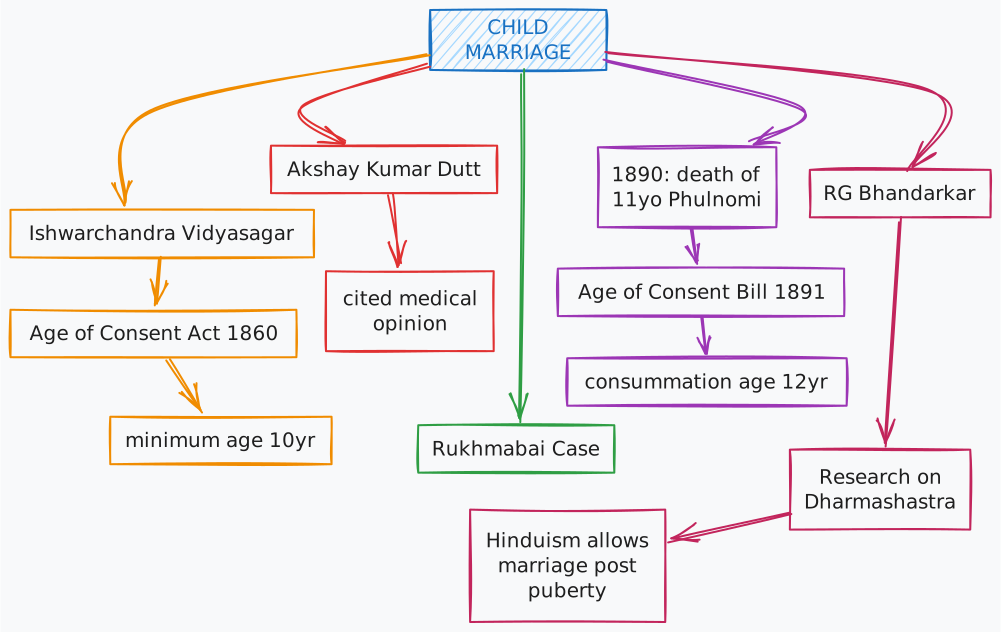
- Ishwarchandra Vidyasagar
- Age of Consent Act 1860 by Canning 5662
- minimum age 10yr
- Akshay Kumar Dutt: cited medical opinion against child marriage
- Rukhmabai Case (1884-1888): married as infant
- argued that marriage invalid
- taken to court by husband an grounds of conjugal rights
- Rukhmabai lost
- 1890: death of 11yr Phulmoni due to sexual abuse by husband
- Lansdowne 8894 brought Age of Consent Bill 1891
- 12yr consummation age
- Controversy: Tilak: Brit have no right to impose rules. Reforms should be by product of social movement
- RG Bhandarkar: research on Dharmashastra
- Hinduism allows marriage post puberty
Overall, child marriage reforms failed. Acc to 1900 census, child marriage was still prevalent.
Link to original

Widow Remarriage
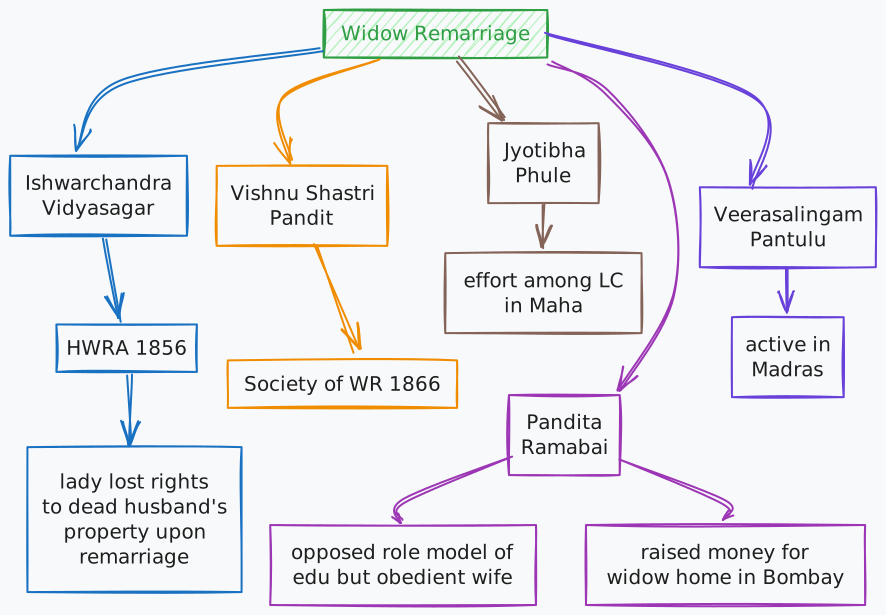
- important cuz child widows due to child marriage & high age gap
- Ishwarchandra Vidyasagar efforts led to HWRA 1856
- but upon remarriage, lady lost right to dead husband’s property
- In Maharashtra, Vishnu Shastri Pandit formed Society of Widow Remarriage 1866 & his rivals also set up a society
- the debate continued even after 1856 law
- Jyotibha Phule: effort among lower castes in Maha for WR but failed
- Pandita Ramabai:
- opposed role model of educated but obedient wives
- brahmin, unmarried for long, married late, to lower caste man
- after husband died, went to England to study medicine
- converted to christianity
- criticized even by reformers
- went to US, raised money for a widow home in Bombay
- In Madras, Veerasalingam Pantulu active
Result
Link to original
- failed as masses led by orthodox hindus (won debates via scriptures)
- Lower caste also stopped widow remarriage
- by 1900, only 38 widow remarriages in Maharashtra
- success in Haryana though
- custom of marrying dead husband’s younger brother

Character of Socio Religious Reforms
Link to original
- led by UC-WEMC brahmins, anti priest
- focus on women related reform, but no leadership of women
- in fact, focus on women because Brits used benchmark of status of women to decide status of civilization
- thus it was a response to brit criticism, not internal desire to uplift
- White Man’s Burden for brits, cultural nationalism for indians
- reformers relied on state instead of social mvmt
- top down reforms failed
- use of British authority led to distrust in masses (1857 Revolt)
- high use of scriptures
- reformers searched for modernity within Indian scriptures
Why did reforms fail
Link to original
- no mass movement
- only UC leadership
- LC did not associate
- no women leaders
- largely silent on casteism
- early reformers didn’t even try for mass mvmt
- Gradualism
- rival orgs of orthodox sections had greater support of masses
Revivalism
Revivalism (1875+)
Negative and Positive
- negative: one’s religion supreme and others inferior
- positive: one’s religion supreme, but respect for others too
Link to original
- Hindu Revivalism (-ve): past glorious but degeneration under Muslim & Christian rule. Religions apart from Hinduism are inferior
- anti universalism
- Post 1857 revivalism high british criticism of Indian civilization
- now reforming accepting we are uncivilized
- strong cultural nationalism behind revivalism
- Ram Krishna Paramhansa, Swami Dayanand Saraswati, Swami Vivekananda = +ve revivalists, but later rise of -ve hindu revivalism
Arya Samaj (Society of Nobles)
- goal remove fake beliefs and go back to vedic past
- i.e. purity of traditions by removing impurities
- set up by Swami Dayanand Saraswati
Beliefs & Methods
- projected hinduism as a religion of book (like christianity or islam)
- supported reasons/ rationality along w/ vedas
- supported swarajya (freedem from foreign influence)
- vedas contain scientific truths + hinduism supreme
- vedas = infallible
- radically attacked social ills
- idolatory
- priestcrafct
- rituals
- child marriage
- infanticide
- polytheism
- casteism
- radically supported
- Widow Remarriage
- intercaste marriage
- female education
- idol worship contamination introduced by priests
- condemned pilgrimage
- female edu must for benefit for society
- launched Widow Remarriage programs in 1800s
- denounced untouchability & caste
- supported varnashram
- supported ahimsa / non violence
- started Shuddhi Movement for voluntary reconversion
- set up gurukuls to teach vedas
- followers of SDS set up DAV college trust & mgmt society after his death in 1883
Results
Link to original
- Arya Samaj wanted radical reforms but failed as opposed by gradualists & orthodox orgs
- succeeded in Punjab, North West Provinces
- Post 1883 revivalism (-ve)
- AS began militant campaign to preach vedas
- aggressive re conversion
- in response, Singh Sabha mvmt of Sikhs, Tanzim & Tabligh mvmt of Muslims
- Aggressive cow protection led to cow killing riots 1893
Ram Krishna Paramhansa
Link to original
- temple priest, sanyasi
- believed in meditation, renunciation, monotheism
- not at all western
- did not directly criticize british but due to pure focus on hinduism, indirectly rejected western culture
- became popular among educated bengalis criticized chakri (i.e. employment of british)
- reformist mindset
- i.e. meant indian uncivilized
- he believed chakri did not leave time for spiritualism, hence dissatisfaction among masses
Swami Vivekananda
Link to original
- student of Ram Krishna Paramhansa
- superiority of hinduism, but also believe in universalism
- i.e. +ve revivalst
- believed christians could be better christian if they follow ethics of vedas
- agreed to degeneration in recent times (not during Mughal)
- service of Jiva worship of Shiva
- Daridra Narayana i.e. god in poor sociol work path to spiritualism
- focus on mass mvmt via social service
- for this, set up Rama Krishna Mission 1897 to spread values of vedas, social service
- wanted to create army of followers to spread values of vedas, buddhism, upnishads, jainism
- indian masculinity superior to Western
- phy + spiritual
- indians not feminine
- started mini gym 🗿
- believed in supremacy of vedas, accepted idolatory and some hindu rituals as they simply help develop religious feelings
- more accepted than Arya Samaj (Society of Nobles) and Swami Dayanand Saraswati
- liberty, equality, free thinking
- strongly criticized all social illness
- rep. Hinduism in Parliament of Religion (Chicago, USA, 1893)
- argued that western materialism & indian spiritualism should come together for welfare of mankind
- never gave political message
- only cultural nationalism
- Netaji: called him spiritual father of INM in Bengal
- Today, Rama Krishna Mission runs schools, hospitals relief work, dispensaries, hospitals
- died 1902
- -ve revivalists then took over by using supremacy of vedas, hindu ritual, past glory
Bankim Chandra Chatterjee
Link to original
- secular use of religion
- hindu secular outlook
- i.e. rational hinduism
- wrote novel Anandmath 1882
- gave concept of Bharat Mata
- also composed Vande Mataram
- became anthem of INM
Peasant Revolts
Peasant Revolts Post 1857
Birth of modern nationalism in India
Handout
New features
Ideas
WEMC provided support and the peasants or lower class resorting to non violent methods like approaching courts.
- peasants better organized, more aware of British institutions (law, court), policies
- WEMC took leadership of ryots
- raised demands of peasants
- acted as bridge b/w peasants and Brit authorities
Revolts
Indigo Revolt 1859-63
- exploitative indigo farming forced upon peasants by British landlords
- Non cooperation
- high support by WEMC refer: Indigo Revolt 1859-63
Pabna Agrarian Leagues 1873
- Zamindar not respecting LR rules, so peasants pooled money to fight court cases
- Brits took side of Peasants as a sign of revenge against Zamindar opposing Brits during Indigo Revolt 1859-63
refer: Pabna Agrarian Leagues 1873
Maharashtra
- 1873-74: No Tax campaign against increase in Land Revenue
The Deccan Riots 1875
refer: The Deccan Riots 1875
Kuka Revolt, Punjab 1871-72
refer: Kuka Revolt 1871-72
Punjab Canal Colony Agitation 1907
refer: Punjab Canal Colony Agitation 1907
Link to original
Indigo Revolt 1859-63
Background
- 1788: EIC began indigo plantation via 10 EU planters (Bengal)
- Nij System: Planters bought lands. Challenge of buying large lands, arranging labour etc.
- Ryoti System: Leased lands from Zamindar & signed contracts whereby
- Ryot must grow indigo on 25% of plot
- Planters gave low interest loans and sold seeds and drills to Ryot
- Pre 1857: Titu Mir of 24 Parganas 1831 + Faraizi Mvmt 1830s in East Bengal had grievance against indigo planters
Grievances
Global context
There was a market crash in Britain at the same time which led to lack of money flow. Thus planters extracted even more out of ryots and oppressed them.
- soil fertility destroyed
- lower future yield
- low price for planter for indigo cultivitated
- indebtedness ryot forced to take further loans to cultivate indigo
- fall in intl prices of indigo
- sympathetic LG asked DC to side with Ryots
Action
Non Cooperation (NC)
NC idea existed much before Gandhi Ji, even though he was the one to popularize it with a name. NC is implemented here too.
Link to original
- ryot refused loans to cultivate indigo
- social boycott of agents of planters
- NC by ryots
- planters went to court to enforce contracts
- Ryot began No Rent Campaign
- withholding rent till the time demands not met
- Ryot filed cases under Rent Act 1859
- Role of WEMC
- Deenbandhu Mitra’s play Neeldarpan highlighted issue & greatly inc awareness
- Michael Madhusudhan Datta translated it into english & Missionary James Long published it awareness in Britain
- aggressive editorials by Hindu Patriot and Som Prakash
- even educated zamindar supported
- 1860 Indigo Commission: fulfill present contracts but free to not sign future contracts
- 1863: Indigo cultivation shifted to Bihar as the Tinkathia System
- same as Ryoti, but 15%, not 25%
- Champaran Satyagrah by MG
- Champaran Agrarian Act 1918
Pabna Agrarian Leagues 1873
Grievances
Link to original
- Zamindar not respecting Rent Act 1859
- high rent + illegal abwab
- Ryot set up leagues + pooled money to fight cases
- Hindu Patriot and Amrita Bazar Patrika were pro-zamindar
- Bengalee of Surendra Nath Banerjea supported Ryot (because father zamindar)
- Anglo indian press = anti zamindar (as rich indian under attack) + revenge of Indigo Revolt 1859-63 where European under attack
- 1880: Rent Commission led to Bengal Tenancy Act 1885
The Deccan Riots 1875
Grievances
- high LR
- high interest loans
- loss of lands
Actions
Link to original
- Poona Sarvajanik Sabha 1870 convinced govt to declare that confiscation of land should be last resort
- but moneylenders now refused loans, so Ryots were unable to pay LR
- violent revolt
- but only debt bonds burnt
- aware of the tool of oppression; ryot were not murderers
- Deccan Agriculturist Relief Act 1879: regulated interest rates
- 1896-97: No Tax Campaign when no remission of land revenue
Kuka Revolt 1871-72
Link to original
- by Namdhari Sect; leader = Baba Ram Singh
- started violence against priests, cow slaughterers, then against Brits
- 1872: Baba Ram Singh exiled to Burma
The Revolt of 1857
Traces the journey of The Revolt of 1857. The revolt was highly diffused, with no clear leadership or communication and lack of participation by various sections. Thus, British succeeded in countering this. After the revolt, various changes were made by British to prevent chances of such revolt happening in future.
1857 Revolt Summary
- sepoy mutiny
- uprising against Brit rule
- multiple factors
- political
- social
- economic
- religious
- triggered by animal fat cartridge incident, but grievances brewing up since lot of time
- started in May 1857 in Meerut, spread to Delhi, Lucknow, Kanpur
- consisted of soldiers, regional rulers, civilians
- challenges
- lack of central leadership
- divergent interests
- superior british militar strength
- brutal british response and eventually rebellion supressed
- consequences
- Government of India Act 1858
- Brit crown took direct control of india from EIC
- policy changes
- authoritarianism
- administrative changes
For detailed coverage, refer The Revolt of 1857
See also:
Link to original
1857 Revolt Grievances
Handout
Sepoy Mutiny Reasons
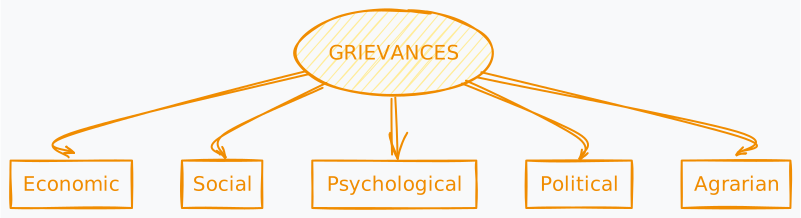
The issue of cartridges was only a trigger that gave voice to multiple existing grievances.
Economic Issues
- Reduced salary
- End of allowance and foreign travel allowance
- Discrimination in promotion and pension
Social Issues
- Lack of adherence to caste rules
- Forced to travel abroad
- infringement on cultural, religious practices, esp. when travelling oceans
- Food related issues
- quality & religious permissibility of food provided
- Presence of Christian missionaries
- high influx of missionaries since Charter Act 1813
Psychological
- Rumors about grease and food contamination
- Racism and derogatory terms
Political
- Majority sepoys in Bengal Army were from Awadh. 1856 annexation of Awadh was seen as betrayal.
Agrarian
- Brit determined LR via summary settlement (not proper survey) unreasonable LR demand
- Sepoy was just Peasant in uniform
Civil Rebellion Reasons
Nobility
- Loss of kingdom due to annexations
- Doctrine of Lapse
- Awadh 1856 Maladministration
- Aristocrats of Courts also affected
- if king affected, it trickles down to ministers
- Nana Sahib in Kanpur
- Rani Lakshmi Bai in Jhansi
- Bahadur Shah Zafar was told he is prince, not king
Big Landowners
- Mahalwari System - ownership of land given to actual cultivator loss of personal estate for taluqdars
- Brit focused on strong centralized state, thus private forts and armies of Taluqdars disbanded.
- Rule of law, equality before law not positively perceived
Peasants
- High LR, indebtedness
- Loss of occupancy
- Brit courts supporting moneylenders
- Artisans lost patronage of Nawabs after inflow of British goods after Charter Act 1813
Religion
Fear that religion is under threat. This was common to all people.
- High inflow of Christian Missionaries since Charter Act 1813, forced conversions under police protection
- Socio religion reforms of Brits escalated fear that Brits wanted to destroy traditional customs, religious practices
- Sati Abolition 1829
- Widow Remarriages Act 1856
- Lex Loci Act 1850
- Brits taxing revenue free lands of religious sects
- Pandits & Maulvis spread hatred against Brits
- Feeling among Indians that Brit rule immoral
See also:
Link to original

Was 1857 Revolt a War of Independence
Was 1857 Revolt a war of independence?
What is “war”? Whom is it against? What is “independence”? Independence from whom?
These ideas lead to concept of Modern State.
Concepts of Modern State
What even is a Modern State?
Modern State is characterized by certain elements which were lacking in 1857 Revolt. Understanding these concepts help understand why 1857 Revolt was not a War of Independence. 1.5
Modern Nationalism
- nation supreme
- nation == People who
- feel one (fraternity)
- feel equal (equality)
- feel supreme (liberty)
Consequence of Modern Nationalism
Polity
- democracy, republic
- Fundamental Rights
- no taxation without representation
- responsible govt
Society
- no ascriptive privileges or discrimination
- equality before law
Economic
- democracy: power to people in economy
- no oppression of poor
- freedom of work & enterprise (capitalism)
Modern Politics
- clarity of
- ideology
- goal
- methods
- reason
- plan
- programme
- unified central leadership
- organization as a body for effective implementation of the above
- unity among members of organization
- voice to ideology, goals, methods, plans, programmes etc
- i.e. press, social media etc
Arguments against 1857 Revolt being a war of independence
- whole india did not participate
- mostly central and north india participated; that too, the sections which benefited from colonial rule did not participate
- ryotwari areas, ryot benefited when they became landowners (SCAM-B)
- Punjab mid-class peasants benefited from canal construction from canal construction
- Bengal, Zamindar benefited becoming landowners under Permanent Settlement System 1793
- WEMC benefited from jobs by Brits. Some princes did not lose power. Some taluqdars did not lose land.
- Whole indian army did not participate
- no proper planning
- revolt was just a spontaneous outburst
- no modern alternative to british rule
- they wanted to restore old political order
Arguments in favor of 1857 Revolt being a war of independence
- common enemy present (indirect fraternity)
- common hatred against disruptions brought by british rule
- political annexation, high LR, loss of land, destruction of indian industry
- Sepoys declaration went beyond their selfish grievances
- high LR
- inc in chowkidari tax
- inc in unemployment of artisans and learned men
- toll tax for travelling on public roads
- dec in status of ruling class sepoys fighting for all indians
- Hindu-Muslim unity
- common goal of restoring moral order disturbed by British
- all agreed among rebels that capital should be Delhi with Bahadur Shah Zafar as emperor (i.e. unity)
- Rebels did not desire 17th century centralized rule but rather 18th century decentralized setup with provincial autonomy (i.e. federalism)
- did not want british out of their “area”, but rather out of the whole Hindustan (i.e. fraternity)
- element of communication b/w regional leaders (even though not perfect)
- mass movement, not elite movement (i.e. summation of people - nation)
- main initiative of sepoy, not their leaders (i.e. democracy)
Link to originalTest yourself
Why revolt of 1857 is an important watershed in Indian history?
Impact of the 1857 Revolt
Political Impact
- EIC blamed for mismgmt of Indian affairs
- absentee sovereignty ended and Government of India Act 1858 introduced
Government of India Act 1858
- Declared Queen Victoria as sovereign ruler of India with direct rule and relationship of paramountcy between Crown and Indian Princes. Queen was now Kaiser i Hind i.e. Empress of India
- Secretary of State of India, a cabinet minister, replaced the President of boC and he was to be the top authority in Britain on India
- Queen issued proclamation on 1st Nov 1858, promising religious tolerance and that India would be governed as per its traditions and customs. Thus socio-religious refomrs took a backseat and Christianity spread further.
Ideological Impact
- Brits distrustful of indians
- racism increased
- Authoritarianism increased
- indians more restricted from entering senior positions in bureaucracy
- however this frustrated WEMC who wanted to share power and led to INM
Administrative Impact
- focus on effective policing and collection of information and intelligence
- 1860 - The Police Commission led to the Indian Police Act 1861 which established structure and functions of police; continued till 1947
Police Act 1861
- proper hierarchy of specialists and proper chain of command established
- refer: Indian Police Act 1861
Changes to Civil Services
- exam was introduced under Charter Act 1853 but not held simultaneously in India
- age criteria kept low (19-23) to prevent indians from clearing the exam
- 1870: Statutory Civil Services idea came, but implemented in 1878 by Lytton 7680.
- Indians could now be nominated to some posts earlier helfd by Covenated Civil Services during EIC officers, but only loyal elites chosen
Changes in Army
Link to original
- Peel Commission after revolt led to many changes
- prevent homogeneity by having heterogeneous mix of diff casts and nationalities in a regiment
- to prevent caste based bonds of unity (like it happened in Bengal Army)
- prevent inter region interaction within army to prevent unity
- recruitment done based on race - martial races idea started; races which have high characteristics of loyalty, courage but incapable of leadership. Thus they stayed loyal and preferred in recruitment.
- focus on building a culture of loyalty to salt, promoted idea of sacrifice for employers for honor of community
- maintained very large standing army to counter future revolts
- ensured at least 1:2 ration b/w Europeans and Indians in army
- not having this in Bengal Army earlier was a mistake
- minimum or no indians in senior military positions
- financial control over Army to civilian authority
- high use of british army against INM and peasant revolts
- ensured that sepoys lived in barracks to minimize political influence
Indian Police Act 1861
- based on Irish model
- applied in
- Sindh (1843)
- Punjab (1849)
- Bombay (1853)
- Madras (1859)
- also based on Police Commission 1860
- State police concept implemented properly throughout British India
- proper hierarchy of specialists with proper chain of command== implemented
- Police Raj created and Indians excluded from all important positions
Link to original
Indian National Movement 💪
The story of birth of Indian National Movement. This section traces the different ideologies which shaped the movement and also their internal tussles.
Early INM Organizations
Related
Trace emergence of INM until emergence of INC.
Introduction
Link to original
- first contribution to INM by conservative educated landlords
- set up regional associations to demand rights of indians in context of upcoming Charter Act 1853 to represent landlord interests
- British Indian Association 1851, Calcutta
- first major voluntary organization
- first all indian organization
- Bombay Association 1852
- Madras Native Association 1852
- sent 3 petitions (not single; i.e. lack of fraternity) before Charter Act 1853 to British parl
- complained about
- poor health, edu & public works (common to all)
- salt opium monopolies (selfish interests)
- oppose only un-british rule
- Brown Sahibness
- Result:
- no demands met as conservatives enjoyed status due to Brit LR system
- no threat to brit as conservatives dependent on Brit for continuation of their status
Rise of INM Post 1857
Question
INM was a product of colonial policies. Elaborate.
- western higher edu
- political ideas develop in college
- grew after 1857
- modern nationalism grew post 1857 as rise of WEMC
- initially brown saheb, but by 1860s, WEMC began developing criticism of British rule, narratives
- however, uneven growth of western edu led to uneven growth of INM
- early WEMC: upper class Marathi, Bengali, Tamilian of Presidencies
- late WEMC: due to desire to preserve persian and control Ulamas
- Press = main tool in early INM
- by 1875, 400 newspapers with 1.5L readership inter regional awareness, spread of nationalism, national leadership
- 1850+ : railways and telegraph led to interconnectedness b/w ppl & regional leaders
- British racism and Authoritarianism
- Lex Loci Act 1850
- Black Acts 1850
- indian judges in brit cases in the Presidency towns allowed, strongly opposed by Anglo indians and put on hold
- 1868: Income Tax
- put even despite famines in 1860-70s
- 1870s: govt dec expenditure on higher edu in bengal
- but high military expenditure and high taxes continue
- brit racism Cultural Nationalism
- later extremists converted it to political nationalism
- 1893: Ganpati festival
- 1896: Shivaji Festival
Lytton’s Drama
- Statutory Civil Services Act 1878 - lateral entry to loyalists
- The Vernacular Press Act 1878: regulate press
- Arms Act 1878: indians need licence to own arms but not others
- Afghan Adventure during famine refer: Lytton
Ripon’s Drama
Link to original
- Factories Act 1881: dec child labour; WEMC unhappy
- repealed Vernacular Press Act 1882
- amended Arms Act 1878 (everyone needs licence now)
- local self govt
- Ilbert Bill Controversy 1883-84 refer: Ripon
Lytton
Summary
- Statutory Civil Services Act 1878 - lateral entry to loyalists
- The Vernacular Press Act 1878: regulate press
- Arms Act 1878: indians need licence to own arms but not others
- Afghan Adventure during famine
Link to original
- 1876: dec age limit for Civil Services during EIC from 21 to 19
- prevented exam from being conducted in india
- Statutory Civil Services Act 1878
- ”lateral entry”
- ensured that only loyalists were nominated as entry was by nomination
- 1877: press campaign by WEMC for indianization of CS
- no result however
- 1877: Imperial Darbar held. Wasteful expenditure at the time of famine
- for coronation of queen 👸
- The Vernacular Press Act 1878 brought
- to regulate the highly critical vernacular press
- deposit money forfeited if press published anything anti-british
- resulted in press campaign (led by Bipin Chandra Pal). Even British liberal MP Gladstone criticized it
- Arms Act 1878: Indians need licence to own arms but Anglo Indians, Europeans don’t need (anxious, racist Lytton)
- Second Afghar War: unnecessary expense as no real threat from Russia, esp. during famines.
- Afghan Adventure
- 1880: Gladstone became PM. He sent the liberal Ripon to India.
Ripon
Summary
- Factories Act 1881: dec child labour; WEMC unhappy
- repealed Vernacular Press Act 1882
- amended Arms Act 1878 (everyone needs licence now)
- local self govt
- Ilbert Bill Controversy 1883-84
Link to original
- Rest Commission 1880: led to Bengal Tenacy Act 1885
- Factories Act 1881: dec child labour and working hours
- WEMC as it hurt indian businessmen 😞
- 1882:
- repealed Vernacular Press Act
- initially brought by Lytton
- amended Arms Act 1878
- now everyone needs to have licence
- initially brought by Lytton
- brought ==local self govt==. resolution (district boards)
- i.e. swaraj at third tier
- at provincial level, it was given in 1935
- finally, at center in 1947
- at District Boards, LR payers and rent payers were to elect members
- at Municipalities, minimum 2/3 elected members and chairman to be non officer member
- subject of health, education, sanitation, roads, communication were given to local bodies. Also, autonomy given in functioning
- i.e. focus on regulation rather than control
- similar to Subject Matter divisions in Schedule VII
- Hunter Education Committee 1882-83
- set up to assess progress made since Wood’s dispatch
- recommendations
- transfer edu subjects to local bodies
- focus and mass edu in vernacular
- age limit in civil services set at 21yr
- proposal to conduct exam in india failed
- Ilbert Bill Controversy 1883-84
- facts: Ilbert Bill 1883
- CP Ilbert was law member of the Viceroy Executive Council
- Brits now under jurisdiction of Indian district judges in rural areas (Mofussil)
- This had to be withdrawn and amended. Now trial was conducted by mixed jury
- Result: imp milestone as WEMC now had no doubt about Brit racism and huge press propaganda favoring Ilbert Bill
- ”pen equivalent to sword; then it sharpened the most here”
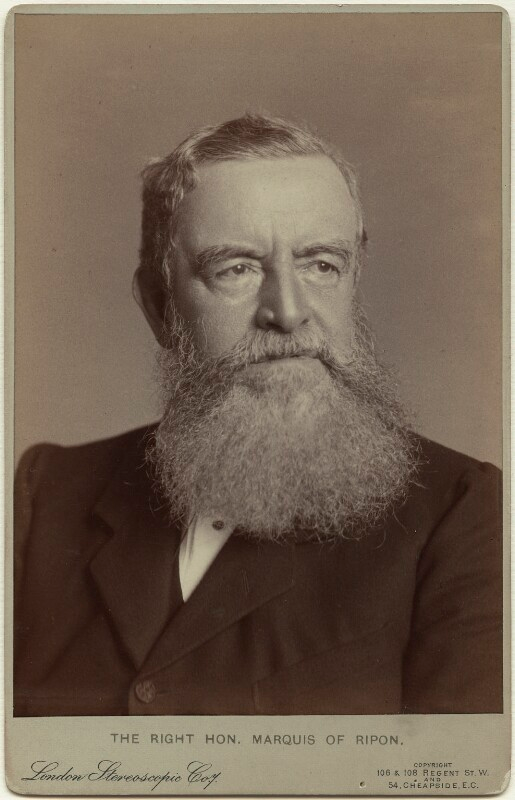
Rise of WEMC Associations
- Pre 1870: active without organization
- Post 1870: active in form of regional organization
- Post 1885: active will all india organization
- INC
- WEMC used Brit institutions like Legislative Councils for to criticize British policies
Associations
Link to original
- Bombay: Poona Sarvajanik Sabha 1870
- set up by MG Ranade
- for all ppl, not just WEMC interest
- Bengal: Indian Association 1876
- by Surendra Nath Bannerjee to represent people
- chose to call it “Indian Association” and not “Bengali Association”
- modern nationalism element
- Punjab: Lahore Indian Association 1878
- by Ajit Singh and LL Rai
- Madras: Madras Mahajan Sabha 1884
Foundation of INC
- founder: AO Hume
Safety Valve Theory
Link to original
- proposed that Dufferin Hume and moderates set up INC to prevent end of Brit rule
- theory false because
- no evidence
- for Dufferin (1884-88), the moderates weren’t mass leaders. At the same time, he distrusted them.
- WEMC was on path to set up all-india organization after failure of regional orgs. Eg. Native Press Association 1877
- Indian Association 1867 by Surendra Nath Banerjee held all india conference in 1883-85
- WEMC used Hume, otherwise INC would have been banned
- by not being all indian, they safeguarded themselves from being banned
Concept of Swaraj
- “Swa” = people, “Raj = rule
- implies control of nation over the State
- policy/rule means domestic and external policies and their implementation
- issue of sovereignty + (defence, foreign affairs, communication) and domestic route (i.e. other subjects of 7th Schedule of CoI)
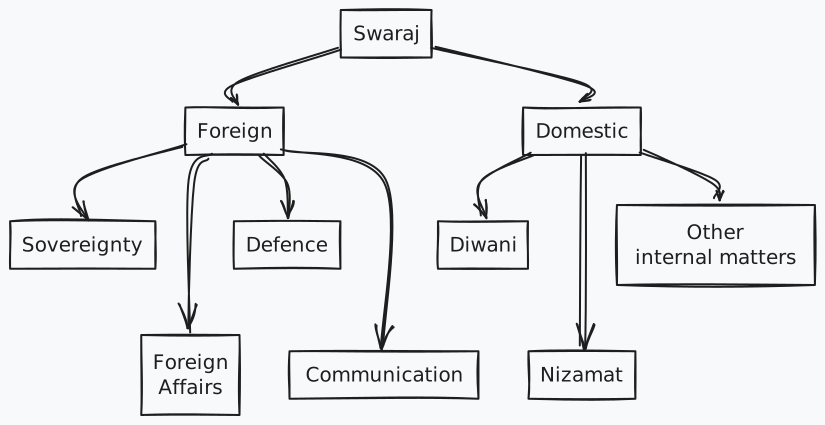
- Poorna Swaraj: absolute control of nation all sovereign functions & sovereignty
- = INC goal (Lahore, 1929+)
- Swaraj: swaraj within brit empire
- = INC goal (1906-29)
- domination of legis by directly elected indians
- universal adult franchise
- most ministers indian
- responsible govt
- domination of civil services by indians
- Dominion Status
- max swaraj possible w/o leaving Brit empire
- implies total control over domestic rule
- paramountcy = dominion status - democracy
- goal of INC b/w 1928-29
- Limited self govt
- partnership w/ india in domestic rule
- INC goal b/w 1885-1906
- Indian Council Act 1909 brought limited self govt
- more power was given to legis and majority of elected members and some indian ministers, along with indianization of civil services
- 1947 - India got Dominion status
- 26 January 1950 - Poorna Swaraj legally
- Common man doesn’t become MP/minister
- the meaning of swaraj for him was defined my MK Gandhi, Bhagat Singh
- broadly =
- meeting class interests of all sections
- removal of economic oppression for poor
- security from oppression for lower castes & women
- i.e. presence of welfare state
- minimum wage
- social security
- land redistribution
- social justice
- Fundamental Rights
- Directive Principles of State Policy
- eco, social & psychological security for common man
- eco & pol power to ppl. eg.
- MK Gandhi’s stateless soc with powerful panchayat
- Bhagat Singh’s economy’s control to workers & Ryots
Growth of Democracy
(in order of better democratic measures)
Link to original
- ICA 1861
- ICA 1892
- ICA 1909
- GoI 1919
- GoI 1935

Indian Councils Act 1861
Decentralization of power begins.
Significance
Moderates wanted powers over the State. Thus we must understand what the State was at the time.
- Secretary of State for India was Charles Wood
- govt of india should be a despotism (dictator) controlled from home (i.e. britain)
- this was fundamental till 1947
Features of Act
- created Indian Legislative Council (ILC) and Viceroy Executive Council (VEC) from the viceroy’s council
- both were under viceroy
- created Governor Executive Council (GEC) and Provincial Legislative Council (PLC) from the gov council
- size of viceroy exec council was 5
- in 1874 one member added
- 6-12 additional law members (nominated), of which half must be non officers (earlier, all were officers)
- grain of popular elements was introduced
- representative governance was seen as the non officer lawmaker can be indian as well
- 1862: 3 indians nominated to ILC (all elites). brits wanted coop of elite indians as in 1857 revolt, elites were loyal (similar to divide and rule as in Permanent Settlement System 1793)
- Raja of Benaras
- Maharaja of Patiala
- Sir Dinkar Rao
- until ICA 1892, only 45 indians
- mainly zamindars & moneylenders from the British Indian Association
- some rulers from 565 princely states
- british businessmen (those loyal in 1857)
Powers of ILC
- w/o approval of Viceroy, no discussion, introduction of bills
- veto powers over bills to viceroy
- ILC not a small model parliament as small size
- only nominated members and no control over executive
Executive
- legal recognition to 1859 portfolio system
- i.e. allocation of departments to members of VEC (viceroy executive council)
- ordinance power to Viceroy
- links to Ordinance
Provinces
- provisions similar to ILC
- Federalism:
- decentralization began from center to provinces as legis powers of Bombay, Madras restored
- new PLC for Bengal, Punjab, NWP 1836 (set up in 1862, 1886, 1886, 1887)
Powers of Viceroy
Link to original
- create new provinces and appoint LG
- similar to present day President powers
- frame rules for ILC, VEC, PLC, GEC and nominate non-official members of PLC
- unitary feature!
- rules for even province or governor council are being framed by Viceroy
- approval for introduction of some bills
- links to present day Article 304
- see legislative powers under Powers
- No separate provincial budget
- only one budget for india
Moderates Ideology and Demands
- dominated INM until 1905 and INC until 1920
Ideology
- Liberals
- utilitarians (like bureaucrats, civil servants)
- constitutionalism
- ideal democracy w/ rule of law
- values in preamble + basic structure
- providence (goodness) of Brit Rule
- i.e. if pressurized, Brits can modernize India
- Secular, national unity
- pro industrial capitalism
- Goal = limited/partial self governance
- use constitutional methods and not mass protests or violence
- eg. use of grievance redressal mechanisms provided by state institutions
- participating in elections
Demands
State
- expand ILC, PLC, empower them
- 50% indirectly elected members
- indianization of civil services, military
- abolish India Council 1858 (which was introduced in Government of India Act 1858)
- for easier lobbying 🕵️♀️
- implement Permanent Settlement System 1793 across all of British India
- LR fixed forever
- partly selfish on part of Moderates, as they came from landed backgrounds
Economy
- decreased LR
- End salt tax
- decrease and share military expenditure
Other rights
- volunteer army
- trial by jury
- repeal Arms Act 1878
- rights of workers of Assam Tea Plantations
- similar to issues during Indigo Revolt 1859-63
Result = None met 🤡
refer: Proof of Failure of Moderates
Link to original
Weakness of Moderates
Link to original
- not truly representative of all India and Indians
- hurt support base
- pro capitalists and pro landed class
- but masses were working class in urban areas and ryots in rural areas
- goal of limited self governance = weak!
- even their ultimate goal was self government like Australia / Canada with full British citizenship
- reflected lack of faith in masses for self governance
- suspected them to become violent and hurt WEMC interests
- eg. old wound from no Indians in Civil Services after 1858 Revolt
- weak methods + gradualist + no trust in masses
- neglected social issues
- partly politicians
- did not build strong INC organization
- mendicancy failed to create pressure on brits
Positives of Moderates
Link to original
- 1885: Bombay: INC Goal = National Unity
- focus on issues common to all indians
- 1886 rule by Dada Bhai Naroji = INC to take up only political issues and not social & class issues which may cause disunity
- thus only anti british issues
- no hindu muslim, upper-lower class, women, capitalist, zamindar issues
- Communal unity
- 1888: no resolution by INC if majority of muslim members disagree
- 1889: minority clause: reserve ILC, PLC seats for minorities as per % of population
- each session in different location, President was not from region of session
- culture of parliamentary politics
- thus modern politics in true sense began with INC
- Pro indian capitalists wanted IR like west
- capitalists were weak under threat of british imports
- gave the Drain Theory
- refer: Drain Theory
Proof of Failure of Moderates
- Indian Council Act 1892 (Lord Cross Act, Viceroy Lansdowne)
- first time grain of indirect elections: indirectly elected members in ILC and PLC. It was not election, but selection.
- local bodies sent names, from which viceroy and gov selected candidates
- ILC & PLC expanded
- 10-16 non officers
- only 3 - 6 non officers in Indian Councils Act 1861
- first time, questions would be asked to executive
- but no discussion to answer or supplementary questions
- no resolution by opposition and no voting on govt resolution
- opposition = non officer members
- gov could make laws w/o ILC or PLC
- first time budget discussion allowed, but no voting or amendments
- Imperial/PCS created from CCS; Statutory Civil Services was abolished
- moderates failed
- no elected majority
- no conduct of proper indirect elections
- expansion of ILC & PLC might may have happened but that was dissatisfactory
- no powerful councils with no constitutionalism
Reaction
Link to original
- now moderates began demanding Self Government like Australia, canada
- gave the Drain Theory
Drain Theory
- mainly after Indian Councils Act 1892
- by RC Dutt (Ex ICS), Economic History of India (1981), Dada Bhai Naroji, MG Ranade
- intellectually proved that colonialism exploited india and british not fulfilling any White Man’s Burden
- economic critique
- Sir Syed Ahmed Khan did NOT believe
Arguments
- IR in britain converted india into source of raw materials and export market
- destroyed handicrafts sector, artisan
- agri sector overburdened as no IR india
- india became net exporter of raw materials from earlier finished goods
- revolution in transports and train meant for british benefit, not ours
- steam engine fitted railway, ships
- Suez Canal cut 4500 miles to Europe
- pre 19th century drain by plunder and mercantile capitalism
- profit motive by trade
- core idea = misuse of political power in india for economic benefits to colonial powers
Components of Drain
- Pre 19th Century:
- misuse of dastaks (notional loss)
- Plassey Plunder
- LR post 1765
- gold outflow instead of inflow
- From 1813+
- India source of raw materials, export market
- no import duty
- such currency exchange rates that help British businesses
- forex kept by SoS in London by selling council bills to importers of Indian goods. India did not get Forex from exports
- forex from EIC exports of indian goods (opium, tea) was taken to britain
- Home charges and charges for expenditure by Britain done on behalf of india. (British show they provide service to india)
- salaries, pension, training cost
- dividends to EIC shareholders
- interests on loan taken by EIC
- expense on SOS for india and council of india
- purchase of stores/goods
- payments to the british war office in britain
- for indians, all this is drain as Indians provided service to british
see also: Did British actually modernize India
Link to original
Did British actually modernize India
question arises from Drain Theory
Link to original
- any modernization was an unintended by product
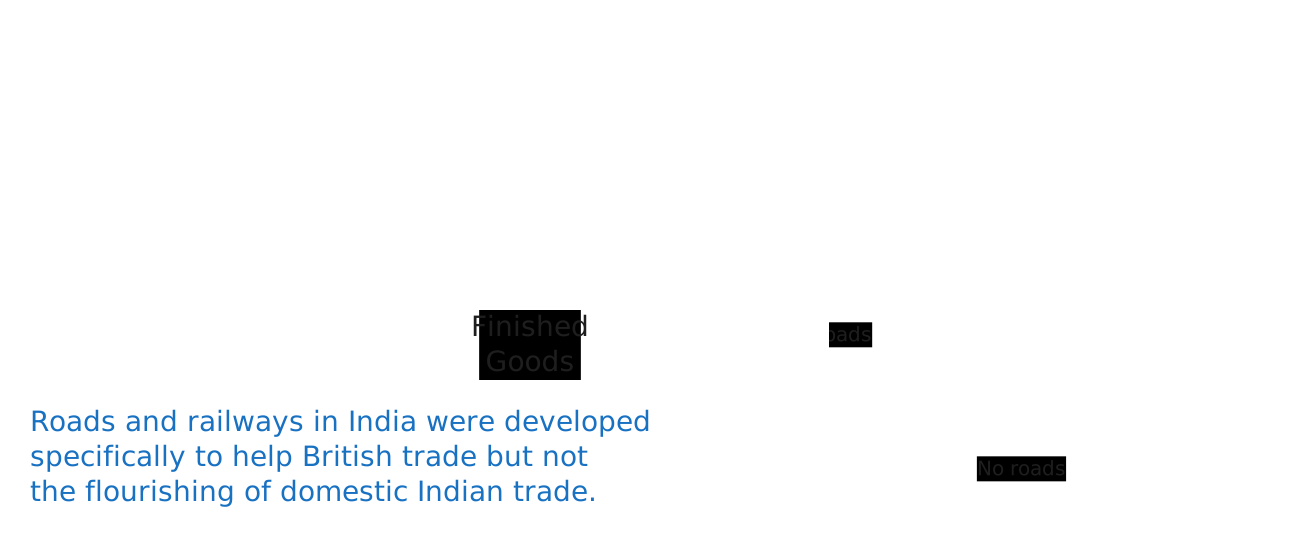
- connected india interally (roads, railways) and to the world economy
- but railways for faster mvmt of army
- connected indian markets / raw materials to ports, not to indian manufacturers
- very limited transfer of tech from brit to india
- goal was business for British Railways Companies
- as 5% guaranteed return on FDI
- companies got land free with 99yr lease, could sell it to GoI at 5% interest rate
- thus, wasteful construction (from indian taxpayer’s money)
- byproduct: 78% (of undivided) indian covered by roads by 1947. Promoted stronger interregional bonds 😄
- no transportation connection for indian domestic trade
- thus indian agri produce not utilized properly for india
- many famines during british era
- Canals became role models for Asia + said to have helped food security
- but by 1947, only 25% cultivated area under public irrigation
- Canals not build in permanent settlement areas (these areas had high water charges)
- built only in Mahalwari, Ryotwari areas where high yield = better revenue
- Bengal was facing famine since very early due to this
- drains paid for development eg attracted FDI
- drain equals only 2% of indian exports value in early 1900s
- no GDP boost, uneven regional growth (link modern day “BIMARU” states) and low investments in agri, health, edu
- this 2% was a surplus that if invested in india, would have led to the GDP growth

Extremists
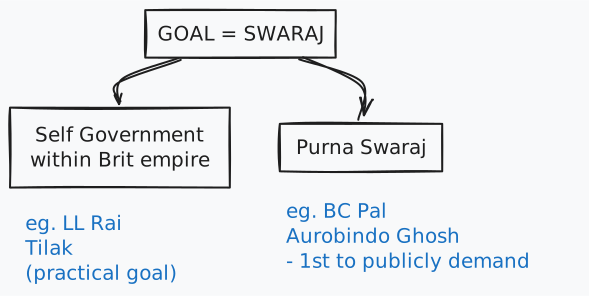
Methods
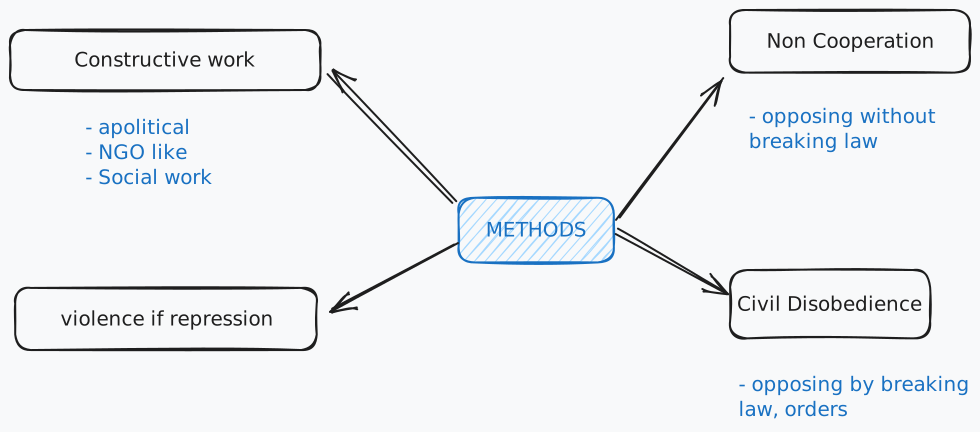
Non Cooperation
refer: Non cooperation
Constructive Work
refer: Constructive Work
Link to original


Non cooperation
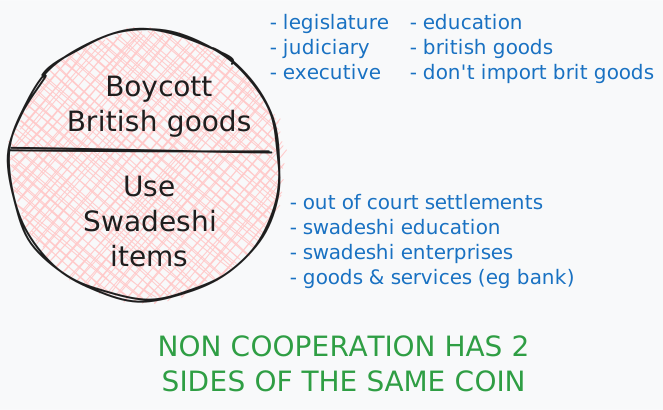
Boycott (only for reference)
- legislature
- don’t fight election
- don’t vote election
- resign if already member
- judiciary
- resign
- don’t join as judge
- don’t file cases
- executive
- resign as minister
- don’t form government if in majority
- don’t join civil services or resign
- education
- don’t teach
- don’t study
- british goods
- whether made in britain
- or made in india BY brits
- importer
- won’t import
- workers at port
- won’t unload if brit good arrive
- domestic traders
- won’t circulate brit goods
- shopkeeper
- won’t keep brit goods
- customers
- won’t buy brit goods
- picketing of shops (social boycott)
Swadeshi
Link to original
- can’t set up parallel government that would be sedition
- swadeshi courts
- eg. by village panchayat
- arbitration (out of court settlements)
- can’t set up parallel executive
- swadeshi education
- books with cultural nationalism
- set up colleges, schools
- set up swadeshi enterprises for supply of indian goods
- else boycott fails due to inflation of swadeshi goods

Constructive Work
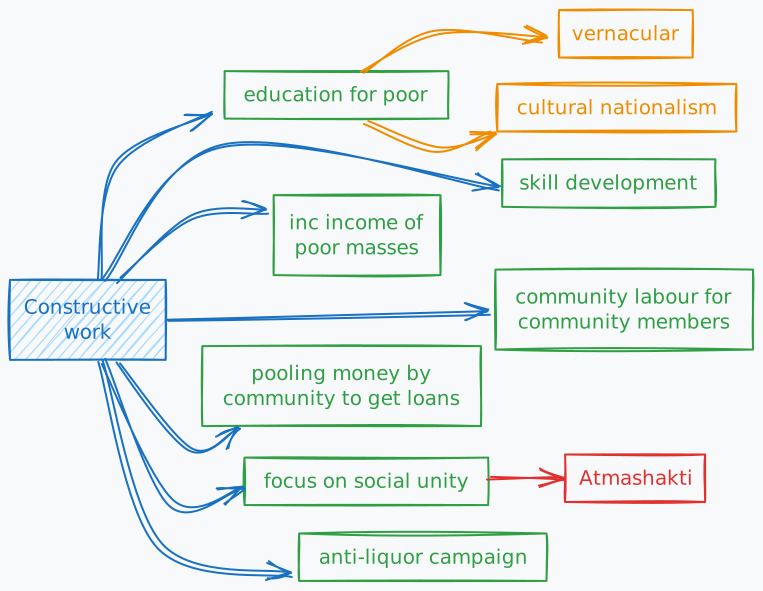
- education for poor since it is normally costly
- cultural nationalism in syllabus
- vernacular
- focus on skill dev
- focus on swadeshi skill
- handicraft
- charkha, khadi
- goal to increase income of poor masses, focusing on swadeshi goods
- promote swadeshi good among rich to create demand
- pooling of money by community to get loans to community members (similar to coop banks)
- traditional banks don’t give loans to poor
- community / joint labour for community members (similar to SHG)
- no money to hire labour individually
- focus on social/community unity
- goal = community self help
- atmashakti
- CW = atmashakti of individual or community
- unity
- national education
- skill development
- focus on spirituality
- anti-liquor campaign
- apoliticial, but gave political benefits too
- in passive phase, INC did Constructive work
- promoted cultural nationalism
- popularized by CW
- social unity
- later led to stronger mass movements
- M Gandhi used CW to train people in non violent Satyagrah
CW by
Link to original
- social reformers
- Swami Vivekananda
- extremists and M Gandhi
- class organizations

Reasons for rise of extremists
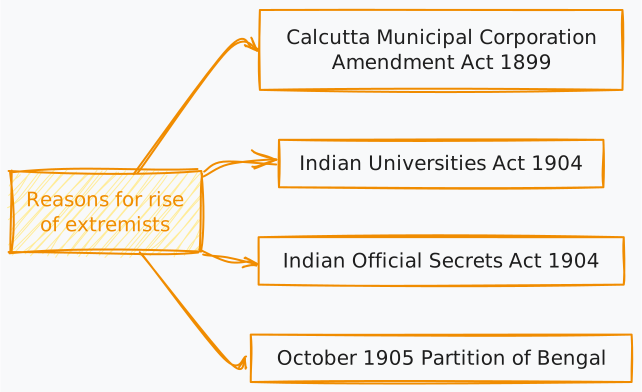
Link to original
- Curzon 9905: Calcutta Municipal Corporation Amendment Act 1899
- reduced elected seats
- Indian Universities Act 1904
- brought univs under control as believed universities were becoming factories of sedition
- Indian Official Secrets Act 1904
- reduced freedom of press
- October 1905 Partition of Bengal

Partition of Bengal Oct 1905
Create East Bengal and Assam a a new Muslim majority province.
British Justification
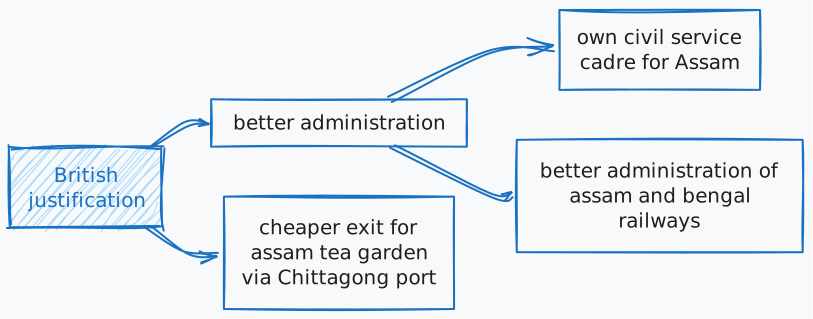
- best admin decision is a linguistic reorganization
Goal
Divide & Rule and weakening INM by
- hurting bengali unity
- bengali minority in West Bengal
- hindu minority in EBA
- bengali UC leaders weakened in the EPA
- appease elite Muslims via EBA to counter Hindu nationalism
Events
Link to original
- 1903: partition plan published
- 1905: moderates methods eg. Press Campaign by Surendernath, CR Das and Constructive Work by Tagore in Shanti Niketan (etd. 1901)
- October 1905 partition happened
- August 1905: PC Ray & Surendernath (moderates) passed the Boycott Resolution (even though boycott is not their method!!)
- Extremists added goal of Swaraj and took movement out of Bengal
- April 1906: Barisal Conference (Surendranath & Aurobindo) distributed badges of Bande Mataram. Police repressed this.
- Bankim Chandra Chatterjee in Anandmath 1882 gave concept of Bharat Mata and composed Bande Mataram

Extremists and Swadeshi Movement
- called for NC, CD, violence agitation against repression an continued Constructive Work for awareness and mass mobilization
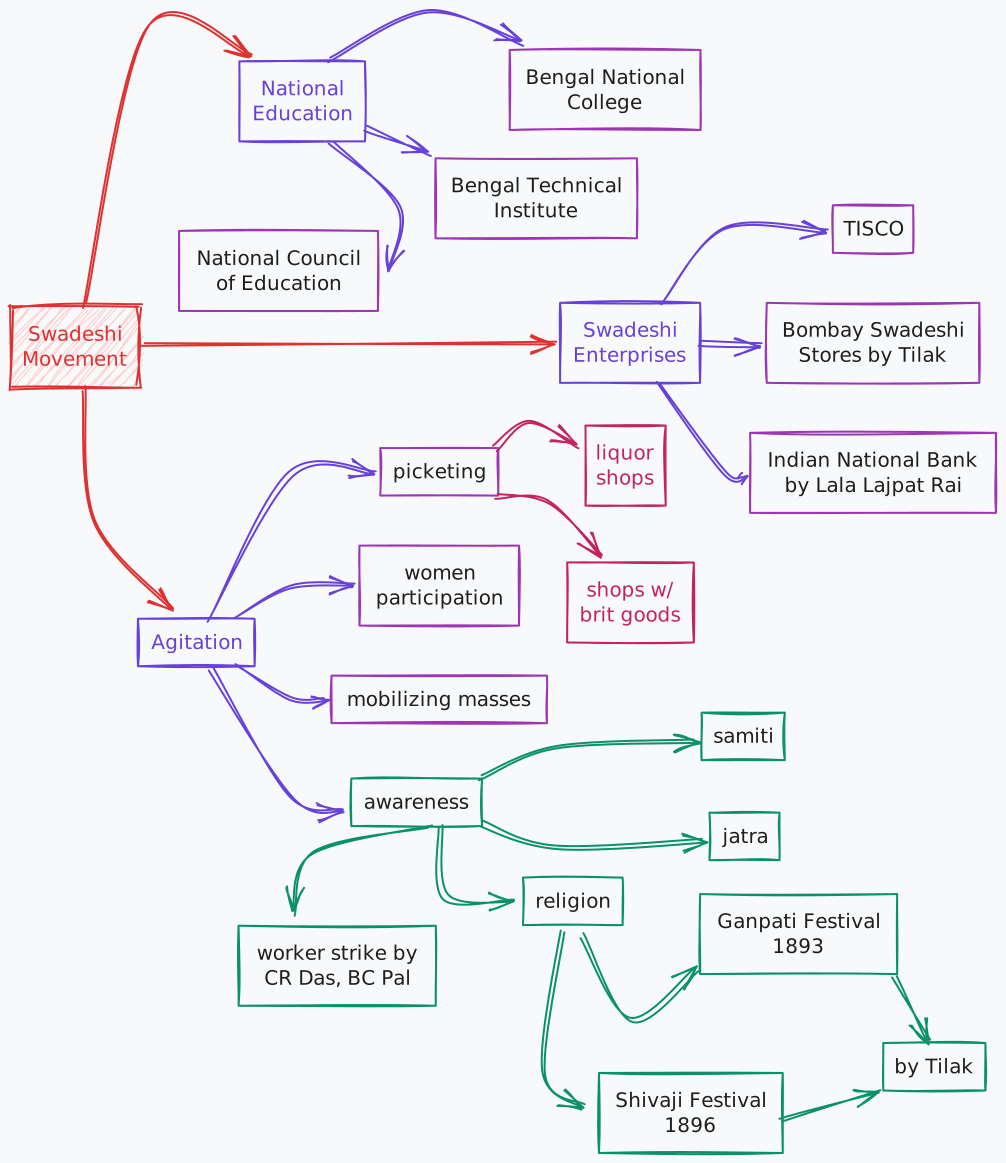
Mobilizing masses and awareness thru
- samitis which did constructive work eg Swadesh Bandhab Samiti of AK Dutt in Barisal did constructive work in Muslim ryots
- Samitis filled gap of no organization of INC under moderates
- Jatras for awareness (eg. Neel Darpan)
- high use of religion eg Parbhat Pheris, Religious Pledges
- in Maha, Tilak used Ganpati (1893) and Shivaji (1896) festivals
- CR Das, Liaqat Hussain, BC Pal led the worker’s strike
- to hurt supply from brit factories
End Result
Link to original
- see Impact of Swadeshi Movement
- failure of mass mvmt
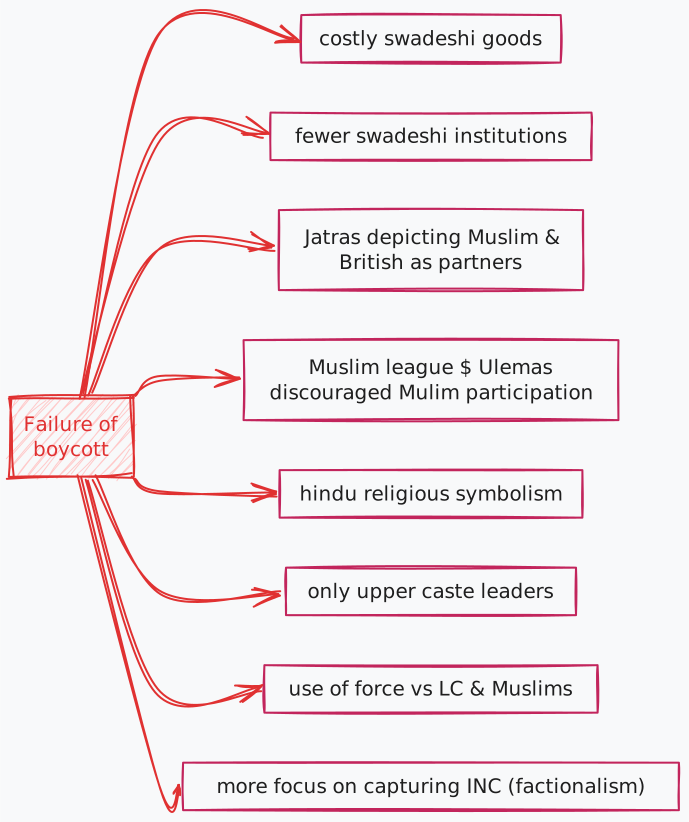


Impact of Swadeshi Movement
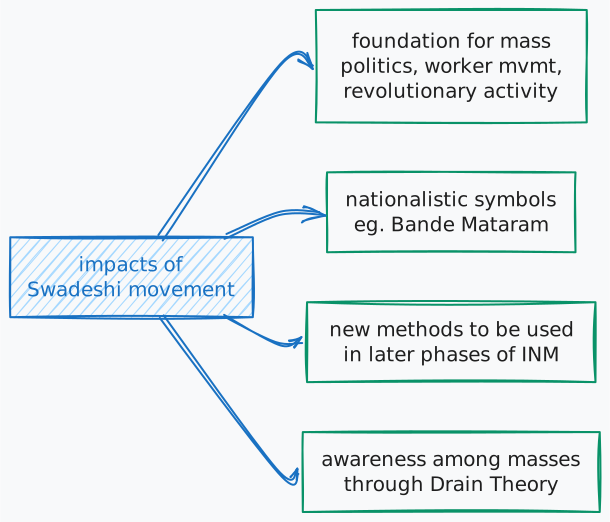
Link to original
- awareness among masses through Drain Theory
- to convince poor to buy a costlier swadeshi product
- INM shifted from the moderates to the extremist phase (not INC)
- however, in 1911 Delhi became the capital declining importance of Bengal in the INM
- Muslim League 1906 led to the organized beginning of communal politics

Surat Split 1907
Yes they split, but reunited at Lucknow Session 1916.
Extremists repressed after Surat Split and movement rendered leaderless.
- 1908-11: Revolutionary phase mass politics
- 1906: Calcutta Session: 4 resolutions passed (1 goal = Swaraj) through 3 methods - boycott, national education & swadeshi
- Partition of Bengal Oct 1905 was condemned in these resolutions
- Tilak established the Nationalistic Party to change the INC from within
- 1906: Morley’s Budget speech hinted at Council reforms
- 1907: moderates prevented session in Puna/Nagpur
- at Surat, fight over Presidency and readoption of Calcutta resolution
- shoes hurled, chairs broken, leading to split + extremists expelled.
- 1908: Allahabad Convention (Mehta Congress) declared their loyalists to the British Raj
- 1908: session in Madras
Link to original
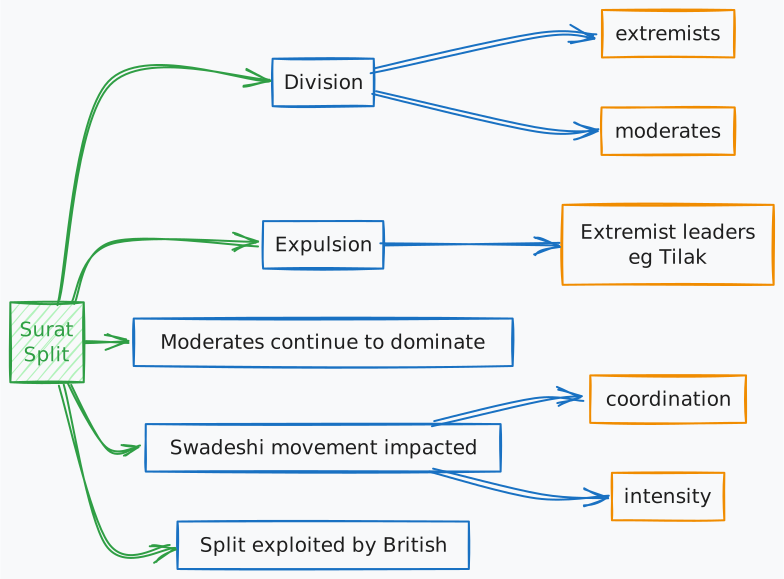

Revolutionaries and Swadeshi Movement
Link to original
Muslim Politics
Link to original
census 1881 Muslim 20% of population
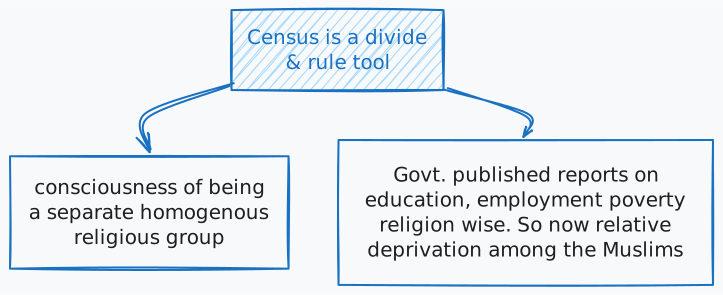
Low muslim participation in INM

Bentick removed Persian from course and in 1884 made English compulsory for govt job
- low utility of middle class jobs for muslim landlords
- Hunter’s book Indian Musalman was written in 1887 and argued for appeasement of Muslim for political stability
- muslims demanded special status and acted pro british eg Mohammedan Association 1855 opposed 1857 revolt
Sir Sayyid Admed Khan
- gave 2 nation theory
- Mohammedan Anglo College in 1875 goal of creating muslim unity
- labelled INC as a Hindu organization and his Mohammedan Educational Congress opposed INC
Post 1885, rise of hindu revivalism alienated muslims
- Shuddhi Movement and Cow protection Movement of Arya Samaj (Society of Nobles) aggressive after SDS
- cow killing riots in 1893 not condemned by INC
decline of Muslims in INC
- 1886 rule: won’t pick up social issues
Hindu Urdu Controversy (1880-1990)
- now hindi is of Hindu, and urdu of Muslims
- MM Malviya successfully got official language status of Hindi in UP
1897: reservation for muslim in govt jobs (divide and rule)
1905: Partition of Bengal Oct 1905 to appease elite muslims
Hindu symbolism led to fewer muslims in swadeshi movement
Simpla Deputation 1906: elite muslims met Minto and demanded the following
- don’t annul partition
- reservation as per % in population in ILC, PLC, Govt jobs
- separate electorate
- i.e. only muslims shall have right to vote in seats reserved for muslims
Muslim League:
- goal
- secure implementation of Simla Deputation
- promote Muslim interests
- promote loyalty to british
- Constitution of Mohsin - ul - Mulk of Aligarh Mvmt
Provincial (muslim league) ML established
1908: ML launched the London branch


Morley Minto Reforms (ICA 1909)
Reasons
- Extremists and Swadeshi Movement
- Revolutionaries and Swadeshi Movement
- divide and rule at moderates vs extremists to also be applied b/w hindu - muslims 😟
- Morley was liberal 🚧
Features
- no intent of giving responsible govt
- brought limited self govt
- first time proper indirect elections
- no elected majority but first time in PLC non officers majority
- but most non officers were nominated
- right to vote w/ income criteria
- first time separate electorates in ILC/PLC and local bodies
- reservation greater than % of population for Muslim in elected seats
- first time indian minister in Viceroy Council
- govt can disqualify politically dangerous candidates
- powers of viceroy as it is
- legislatures can first time vote on individual items on budget
- but not the whole budget (in 1892: budget discussion, but no voting)
- supplementary questions allowed (in 1892: not allowed)
- can pass resolutions but not binding on govt
- SP Sinha was Indian Minister of Law
Impact
- most short lived reforms
- laid foundation for partition
- benevolent despotism
Link to original
/../../Excalidraw/morley-minto-impacts.excalidraw.dark.svg)
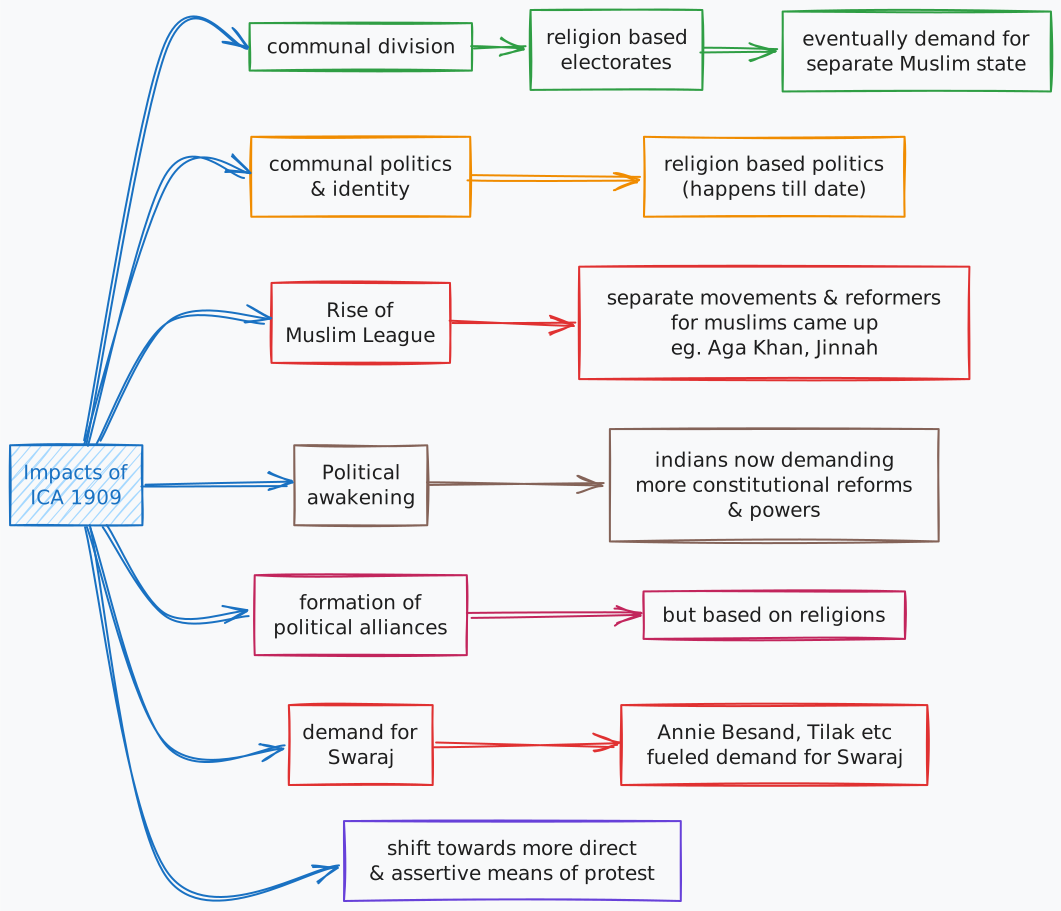
Ghadar Movement (1913-15)
/../../Excalidraw/ghadar-mvmt.excalidraw.dark.svg)
Result
Link to original
- FAILED, because
- Udasi Sikh Mahants were pro british, asked masses not to join
- poor response from Sepoys
- effect of Peel Commissions (to keep sepoys separate from mainstreams in cantonment)
- since Indian Police Act 1861, Brit administration focused on intelligence
- defence of India was equal to an emergency
- via this, the Brits repressed Ghadrites
- aroused awareness & nationalism
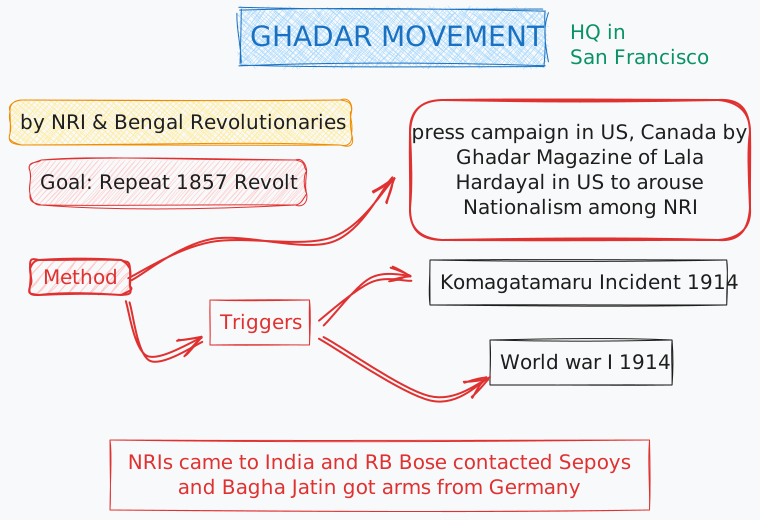
Home Rule Leagues (1916-18)
Started by Tilak and Annie Besant. Not INC.
Tilak’s HRL was Maharashtra focused. More effective, but concentrated in a specific region. Annie’s HRL was more widespread.
Story
- education on home rule/ swaraj within empire
- to revive INM, Tilak wanted extremist entry into the INC and to prevent brit repression
- declared Swaraj is equal to self government within, not Purna Swaraj
- violence has hurt progress of INM
- to support the british war effort and show loyalty to crown
- In 1914, Besant joined the INC. Inspired by Irish Home Rule Movement and headed the Theosophical Society with HQ in Madras
- tried re-entry of extremists in the INC
- 1915: Bombay session - re-entry decision (as Mehta dead). Actual reentry in 1916 Lucknow session
- But INC did not agree to HRL
- in April 1916, Tilak estd. Indian Home Rule League
- September 1916, Besant estd. All India Home Rule League
- Gandhi president in 1920, changed name to Swarajya Sabha
- both cooperated, but not so much to be one
- Tilak demanded education in vernacular
- linguistic reorganization of the provinces for
- good governance
- improvement in functioning of INC govt
- i.e. better organization of masses in future mvnts
- less factionalism for party posts, tickets
- demanded self governance
- because Indian national interests opposed colonial interests
- not because Brits Christians
Tilak and religious nationalism
Tilak started off with high use of (Hindu) religious nationalism. But once he got the movement against British started, he reduced usage of (Hindu) religious nationalism.
Tilak
If God tolerates untouchability then won’t recognize him as God.
- God Ganpati was worshiped by both upper caste and lower caste
- started Ganpati Festival in 1893
see also:
Link to original
HRL Impact and Result
- promoted INC in villages
INC becomes party of masses
Earlier, INC was dominated by moderates and grassroot reach was non existent.
- 1917: Besant arrested
- energized movement 💪
- even moderates joined ✒️
- S. Iyer gave up his knighthood 👑
- M Gandhi began signature campaign 🖋🖊️
- Besant released, made INC President @ Calcutta Session 1917
- Divide & Rule by brits
- Montague: “Will give Swaraj gradually”
- Passive resistance: Non cooperation & civil disobedience programs suggested by the extremists but Besant finally sided with moderates
- HRL defunct
- education not converted into mass action 😩
Link to originalFAILURE! 😒
Extremists failed for second time in taking over INC.
Positives of HRL
Link to original
- 60k members joined
- Guj, Sindh, UP, Bihar, South India were now participants of INM
- prepared leadership for the future
- eg. Nehru joined All India HRL
- HRL goes rural and an organization network is created for future INM
- WhatsApp groups must have been formed 🤓
- nevermind they did not have WhatsApp
- but must’ve formed some similar quick communication chain
- permanently decreased the moderates
- Hindu-Muslim unity was exemplified
Lucknow Pact 1916
- b/w INC 1885 & Muslim League 1906
Outcome
- first time joint demands for constitutional reforms
- thus, ICA is accepted as the constitution
- separate electorates continuation 😞😢
- expand councils with an elected majority
- 1909: only non officers majority @ PLC
- atleast 50% indian were in Viceroy Exec Councils
- Self govt at an early date i.e. equal status with other self governing dominions of the brit empire
- ”dominion status” word clearly used in Nehru Report 1928
Negatives
- major landmark @ Two Nation Theory 😩
Positives
Link to original
- INC/ML unity created pressure on Montague Statement of 1918 & the GoI Act of 1919
- unity was used by M Gandhi in Non cooperation and CD
Muslim League vs British
Link to original
- 1911: annulment of Bengal Partition
- 1911: Italy took over Libya of Ottoman Empire, whole political head was equal to Khalifa (i.e. religious head of Muslims) and Brits didn’t help
- 1912: first Balkan War (M, S, G Bulldog attacked Turkey)
- Montenegro, Serbia, Greece, Bulgaria annexed Ottoman territory in the Balkan
- World War I: Ottoman vs Britain
- 1917: Belfour Declaration stated the will to create Israel
- 1920: Treaty of Severus w/ Ottoman was harsh
- breach of promise to Indian Muslims
- Arabs of Ottoman colonized France-Syria
- Greece got the Turk areas like Syrna and Eastern Thrace
Montague's Statement of 1917 (August Declaration)
Link to original
- Henceforth, British policy in india is to be a gradual development of self governing institutions with a view to the progressive realization of responsible govt in india within a british empire
- i.e. will give swaraj gradually
- Reason:
- Lucknow Pact 1916
- Home Rule Leagues (1916-18)
- Revolutionaries and Swadeshi Movement
- Ghadar Movement (1913-15)
- WWI propaganda of ‘democracy vs. Absolute Monarchy’
- pressure for SG even in colonies
Montague Chelmsford Reforms (GoI Act) Dec 1919 (MontFord)
Dyarchy introduced!
Dates
- 1918: Montague Chelmsford Reform/Report (MontFord Reforms)
- 1919: GoI Act, based on the MontFord Reforms
Reasons
- narrative of democracy (from WWI)
- indians fought for SG in Europe
- desired self govt in india
- Pressure of
Features
- CLA & COS for Brit India
- Central Legislative Assembly (like LS)
- Centre of States (like RS)
- thus bicameral
- old structure abolished
- Narendra Mandal (Chamber of Princes) created as advisory body of 565PS as a reward for support in WWI
- first elected majority: CLA, COS, PLA
- back in 1909: only non officer majority at PLC
- first direct elections in COS, CLA, PLA
- right to vote linked with income (same as 1909)
- right to vote for women (thanks to Sarojini Naidu 🙏)
- separate electorates for Muslims, Sikhs, Anglo-Indians & Christians
- back in 1909: only for Muslims
- first time reservation of nominated seats for depressed classes in CLA, COS, PLA
- not elected seats 😔
- majority seats were elected, so reservation not significant
Federalism
Link to original
- Provincial Budget separated from Central budget for the first time
- sources of revenues were divided
- LR to provinces
- Customs, Income Taxes to centre
- Viceroy Executive Council was not responsible to legislature; the Viceroy could veto bills
- power to reject the bill, restore cuts in grants, ordinance power
- budget as a whole not vetoable
- additionally, 75% of items in budget not vetoable
- taxation w/o representation
- adjournment motions allowed
- members of Viceroy council to be indian
- Dyarchy at provinces
- subjects divided into reserved & transferred
- Reserved: laws by governor & officers; exec powers w/ Governor & officers
- Transferred: laws by PLA, ministers responsible to PLA
- ministers of reserved subjects are not responsible to PLA
- partially responsible govt
- Reserved politically imp eg Law & order, finance, LR, control over officers
- Transferred health, education, local govt, agri
- goal hurt popularity of indian ministers as they wouldn’t be able to work no control over finances
- if failure of constitutional machinery, then govt could take exec & legis powers of transferred subjects
- ministers from PLA could be overruled by governor in any matter
- INM leaders unhappy because no Universal Adult Franchise
- dissatisfactory division of subjects
- no responsible govt at centre and only partially responsible govt in provinces
- Provinces allocated seats in CLA and COS not as per population but importance
- eg military imptance of punjab, commercial imptance of Bombay
- GoI 1919 brought greater limited self govt, but not proper self government
Mahatma Gandhi Era 😎
Mahatma Gandhi comes to India and gives a new shape to the national movement. He becomes a mass leader, takes INC to grassroots and collectively brings forth the Indian strength.
Gandhi Ji in South Africa
a la2 laws that led to Gandhiji’s Struggle - Franchise Amendment Bill 1894 to disenfranchise Indians - Immigration Law Amendment Bill 1895
Link to original
- Gandhiji began a newspaper Indian Opinion to air indian grievances
- also formed Natal Indian Congress
- Satyagrah against immigration laws
- Poll Tax Campaign 1913
Gandhi Initial Projects in India
Champaran Satyagrah
Champaran Satyagrah Apr 1917
Link to original
- Grievances
- issue with teenkathiya system
- Gandhi violated the administrative orders to leave Champaran
- Alarmed by atmosphere after Jallianwala Bagh Massacre 13 Apr 1919 and thus withdrawn
- Results
- Inquiry Committee
- Champaran Agrarian Act 1918
Ahemdabad Mill Strike 1918
Ahemdabad Mill Strike 1918
Link to original
- Gandhi used Satyagraha, hunger strike for first time during industrial dispute
- Grievances
- workers plague bonus was discontinued by mill owners
- MG began hunger strike demanding 35% wage increase
- Result
- successful 👍
- arbitration board estd. 27.5% increase in salary
- laid foundation for working class mvmts in Ahemdabad
- eg. Textile Labour Association 1920
Khera Satyagrah 1918
Link to originalKhera Satyagrah 1918
Link to original
- first Non cooperation
- Grievances
- ryots were being demanded full LR, even though they were entitled to lower LR if crops fail
- MG asked ryots to withhold land revenue payment
- Result
- govt asked only those who could pay to pay
Rowlatt Satyagrah 1919
Background
- against Rowlatt Act 1919 (imp. to read)
- started by MG (not INC)
- Feb 1919 by ILC (not by CLA)
- 2 bills by SK Rowlatt led to continuation of emergency powers of Defence of India Act 1915 (applicable for WWI)
- Reason: Brits anxious about rising Communism after Russion Revolution 1917
- this was breach of promise from Montague Statement
Action
- MG gave call for nationwide non violent strikes
- first mass strike
- all india movement (start of mass politics)
- MG arrested and widespread violence in Punjab
- under LG, O’Dwyer and General Dyer applied martial law in punjab
- 13th April 1919: Jallianwala Bagh Massacre by Dyer
- Gandhi withdrew mvmt due to violence
Result
Link to original
- high participation in urban areas by youth etc
- low participation in rural areas
- movement must be well organized for success in faraway rural areas
- MG realized imptance of controlling INC to control masses
- additionally, Indians needing training in Satyagrah
Khilafat Movement and Non Cooperation
Reasons
- anger due to war, inflation
- spanish flu
- Rowlatt Act 1919
- Jallianwala Bagh Massacre 13 Apr 1919
- dissatisfactory govt of india
- khilaft issue due to harsh Treaty of Severus which was a breach of promise to Muslims
Course
Link to original
- 1919: Khilafat Committee of Md. Ali & Shaukat Ali demanded the revision of Treaty of Severus so dignity of Khalifa was maintained & Arabs were not to be under non muslims
- requested MG to take leadership
- 1920: Khilafat Committee launched Khilafat Movement by giving a call for boycott of titles, civil services, army (Non cooperation) and non tax campaign (civil disobedience)
- MG saw opportunity for Hindu-Muslim unity
- convinced INC to launch non cooperation mvmt (NCM)
- convinced leaders like CR Das who otherwise wanted to use councils to oppose Brits (1919 Adjournment Motion)
- Tilak stopped supporting religious goals & Bipin Chandra Pal resigned due to indifferences with MG
- Besant, Jinnah also resigned as they opposed extra constitutional methods (NC, CDM)
- Special Calcutta Session 1920
Nagpur Session 1920
- INC taken over by MG
- now wants swaraj by peaceful means (rather than strictly constitutional means)
- links, failure of extremists in Surat Split 1907
- INC non-violent extra constitutional mass struggle (like Satyagraha)
- Congress Working Committee (CWC) of 15 members estd. so mvmt continued even if top leaders arrested
- Provincial Congress Committees (PCC) estd. on linguistic lines
- link, Tilak’s demand at Home Rule Leagues (1916-18) i.e. linguistic re-ogranization of provinces
- 4 anna fees for INC membership (1anna rupees) to facilitate masses to take membership of INC
- INC to use & promote Hindi as far as possible
- == MG made INC a mass organization== from an elite organization
- 2nd phase of CDM has a No Tax Campaign (CD) and resignation from govt services (NC, but stronger than any CD)
Events
Link to original
- Tilak Swaraj Fund by MG (org needs money)
- over subscribed (1Cr collected 💵)
- Gandhi - Reading talks because as one yr to be over Brits feared CDM
- talks failed as Readings wanted MG to criticize pro-violence speech of Ali Brothers
- MG defeated Divide & Rule 💪😎
- visit of Prince Wales in 1921 nationwide strikes by worker class, but violence against Parsis, Christians, landlords who supported the visit
- MG decided on no All India CDM 😞
- CDM only in Bardoli via no-tax campaign (fearing repeat of 1919 violence)
Chauri Chaura (UP) 1922
- 22 policemen burnt alive after police shot dead 3 satyagrahi 🙁
- MG withdrew NCM
- mvmt by masses stop
- NC by INC was to continue
- suspended CDM
After Chauri Chaura incident, 19 protesters were hanged to death.
Bardoli Resolution
- training in Constructive Work must before next mvmt
Results (negative)
- Participation
- low participation of WEMC in boycott of institutions
- as personal loss of money for WEMC & MG initially rural leader
- low capitalist participation (eg importers still importing brit goods)
- expensive khadi
- not enough National Educational Institutes
- eg Swadeshi Movement
- Anti untouchability priority only for MG
- INC dominated by upper class, don’t know untouchable life
- Mvmt turned violent
- communal violence due to high religiosity & role of Ulemas in mobilizing Muslims
- eg Mophla Revolt in Malabar in 1921 & communal violence across India 1922-24
- Hindu Muslim unity was tepmorary (Tilak correct)
- Revolutionaries joined NCM but highly disappointed by its withdrawl
- link, Fituri by Alluri Sitaramaraju (1857)
- Khilafat movement ended when Turks ended the Caliphate w/ Secular Republic in 1924 under Ataturk
Results (positive)
Link to original
- Rowlatt Act repealed
- INC in NWFP became popular party. Chief commissioner province/UT from Punjab in 1901 ful province in 1932
- Strong participation in worker classes eg JM Sengupta led strikes in Assam and during Prince of Wales visit in 1921
- worker class: swadeshi, education, HRL
- even revolutionaries joined & strong peasants participated and mvmt organized by the peasants in NCM
- INC leaders raised ryots issues & vice versa
- tribal participation by violating forest laws in Andhra Pradesh (Aaluri Sitaram Raju)
- Untouchability first time became issue of mainstream politics
- great show of hindu muslim unity (except in Malabar)
- economic boycott: brit imports halved
- council boycott: only 5% voted in 1920 elections to CLA
- anti liquor campaign successful
- led to participation of women
- new regions participated: gujrat, Sindh, NWFP, South India, UP
- here first time action
- in Home Rule Leagues (1916-18): only education (but no action)
- strong regional leadership emerged of Bose, Patel, Nehru
- like HRL 1618
- In Akali Movement, Akalis supported NCM from 1921 rise of nationalism in punjab
- Peasent Movements
Akali Movement
- For control of the Gurudawaras from Udasi Mahants
- Mahants honoured the Dyer
- British given control of the Golden Temple but not the treasury of the GT
- 1920: SGPC was set up for the GT’s management
- Akali Dal was established to get control of other Gurudwaras
- 1921: Nankana Tragedy: Mahants’ private army killed hundreds of the Akalis.
- Akalis came in support of the NCM
- Keys affair: Moderate Kharak Singh led the campaign for the keys of the GT treasury.
- British accepted as wanted to apply divide & rule @moderate and extremist Akalis.
- 1922: withdrawal of NCM
- 1922: Guru ka Bagh incident
- Akali wanted control of land around the Gurudwara
- British wanted to restore State Supremacy ( repression)
- As mvmt spread, brits accepted demands due to fear of disaffection in the Army
- pattern: 1907, Canal Colony Agitations
- 1925: Gurudwara Reforms Act: all gurudwaras under SGPC
Positives
- Worker class is now leaders of Punjabi and not pro british feudal elements
- Punjabi ryots politicized
- masses participated because of a religious issue & then mvmt merged into NCM
- rural urban unity
- hindu muslim unity supported akali
Negatives
Link to original
- masses got charged religiously
- later contributed to communalism
Kisan Sabha Movement and Eka Movement
- UP Kisan Sabha 1918 of moderate Malviya against oppression by Brit
- NCM 1920-22 began
- Awadhi Kisan Sabha Mvmt 1920 under Nehru emerged from UP Kisan Sabha
Eka Movement 1921
- started under Madari Pasi
- did not follow non violent methods
- both adopted non cooperation methods against zmndr & supported NCM
- repressed when turned violent after police action
Mophla Revolt 1921
- INC mobilized Mophla on Khilafat issue
- mvmt communal against Hindu Jenmi
- Martial law & repression followed the mvmt
Post NCM 1922
Borsad Satyagraha 1922-24
- by Patel
- Reason: police - dacoits nexus, additional tax for police deployment
- Method: no additional tax campaign
- Result: independent inquiry, resolution
Bardoli Satyagraha 1928
Link to originalBardoli Satyagrah 1928
Link to original
- by MG, Patel
- Reason: 30% in LR
- Method: Constructive Work (LC-UC unity)
- Patel organized villagers and no increased LR campaign but paid old LR
- MG wrote in Navjivan, Young India
- Patel used Bardoli Patrika
- MPLA resigned
- MG finally reached Bardoli
- MG style of rising tempo
- Arbitration led to a 6.03% LR increase
- MG style of arbitration to reveal truth
- passive phase (1922-27) was only of INC against colonialism
- otherwise peasants, WC, revolutionaries were active
Gaining Steam & Winning 🇮🇳
Its time to win.
Passive Phase (No Changers vs Pro Changers (Sawarajist))
Link to original
- called swarajist because estd. Congress Khilafat Swaraj Party
- no changers were Gandhians and supported continuation of the council boycott
- i.e. NC by INC & CW
- also relaunching CDM when masses trained in Satyagraha
- pro changers wanted to end council boycott (NC by INC) and wanted to fight 1923 elections to CLA
- Their end-or-mend council resolution at 1922 Gaya Session failed
- within INC estd. Congress Khilafat Swaraj Party to fight elections and resigned from official posts of INC
- Name “Khilafat” for muslim votes
- after communal violence 1924, they divided into
- responsivists: now didn’t follow end or mend council spirit. Allow council to fn. instead of frequently using adjournment motion power of GoI 1919. This was because they didn’t want anti hindu bias by authorities or communal violence on ground
- non responsivists: who still wanted to follow end or mend council’s path
Indian Statutory Commission 1927 (John Simon)
Link to original
- appt as per GoI 1919, chaired by John Simon
- provision for constitutional reforms after 10 yrs (due to Montague’s Statement of 1917 (August Declaration))
- appt. 2 yrs earlier due to pressure of pro changers, revolutionaries & rising communism
- No indian in 7 members
- against self govt principle of Montague Statement 1917
- MG hates breach of promise
- SoS Birkenhead challenged Indians (not INC) to draft a constitution of india
- belief: Indians can’t overcome differences
- 1927 Madras Session: INC rejected Simon Commission & decided to set up APC for drafting Principles of CoI
- Anti Simon Protests Oct 1928 when Simon visited India
- LL Rai died here in Nov 1928
- Then Lahore Conspiracy Case 1928
Four Delhi Proposals Dec 1927 by Muslim League
Link to original
- reservation in Central Legislature
- but Muslims are actually just
- Three new Muslim majority provinces (MMP) namely Sindh, Baluchistan and NWFP to accommodate more MLA & ministers from Muslim League
- Reservation as per of population in MMP
- if 1, 2, 3 met then Joint Electorate
- first & last time ML is pro joint electorate
Motilal Nehru Report Aug 1928
Background
1928: APC estd.
- a committee of PAC under Motilal Nehru drafted Principles of CoI
Key Points
- dominion status i.e. Sovereignty, defence, foreign affairs & powers to change CoI w/ British
- SG in domestic affairs
- in 565PS, paramountcy without democracy
- Union of India having Brit India & 565PS & federal relations b/w the two
- i.e. 565 Article 370 (non interference)
- unitary structure for british india
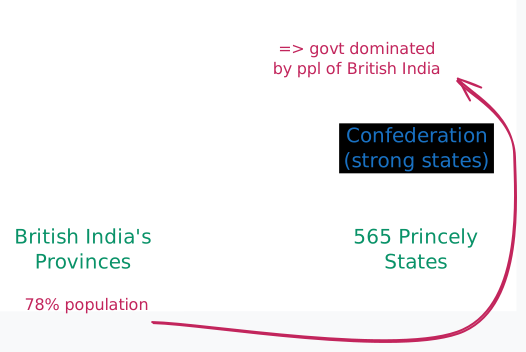
- linguistic reorg of provinces
- bicameral legis at centre
- universal adult franchise
- DPSP
- 19 FR
- liberty, education, WC, Women, LC, minorities
Communal Aspects
Link to original
- no separate electorates
- NWFP & Baluchistan as full provinces
- ML 🥳 🍻
- Sindh from Bombay (ML 🥳🍾) but only after dominion status and only if financially viable
- no reservation to Muslims in MMP
- reservation in muslim minority provinces & at centre as per in population
- but not (ML 😔💔)
- Reservation to non muslims in Sindh, NWFP
- reservation to be reviewed after 10yrs
- No state religion, but protection of culture of minorities

Three Calcutta Amendments 1928 by Jinnah
Link to original
- reservations in the CLA (old)
- reservations in Punjab, Bengal (old), until UAF implemented
- w/ income criteria, muslims may not be in majority in voter list
- residual powers to provinces (vs unitary structure)
- minority/regional party wants federalism and won’t be in power in centre
INC Calcutta Session Dec 1928
- approved Motilal Nehru Report Aug 1928
- resolution by Bose for goal of Poorna Swaraj failed ⚠️
- if dominion status achieved not in one yr then INC to launch CDM for Poorna Swaraj
- CW resolution passed as MG wanted to train masses in non violence
Link to originalWhat all in Civil Disobedience Movement?
- foreign clothes boycott
- not for Swaraj, but for income of poor
- promotion of khadi, self reliance
- anti liquor campaign
- anti untouchability campaign
- women empowerment and training in satyagraha
- organization work for INC
Jinnah 14 Point Demands Mar 1929
Birkenhead was happy 😈
- after failure of Four Delhi Proposals Dec 1927 by Muslim League, Three Calcutta Amendments 1928 by Jinnah
- equal to blueprint of muslim league 1906
Link to original
- separate electorate
- muslims in central legislature
- veto power on bill if minority members oppose it
- 1888 INC rule
- in cabinet at centre, provinces
- reservation in all elected bodies even in majority
- reservation in govt services
- reservation in MMP
- Sindh, Baluchistan, NWFP creation
- federal constitution
- residual powers to provinces
- no CoI amendments w/o consent of provinces
- no territorial reorg that -vely affects MMP status
- protection of culture of muslims
- provincial autonomy
Butler Commission 1929
Butler Committee Report
Link to original
- Paramountcy reaffirmed
- 565PS not to be transferred into a UoI w/o consent of Princes (links, IoA of GoI 1935)
Diwali Declaration (Irwin) 1929
Link to original
- Dominion status implicit in Montague’s Statement of 1917 (August Declaration) & it is intent of brits to give it in future
- for this, brits will hold round table conference
- no decision and only intent
- no timeline
- INC gave Delhi Manifesto Nov 1929
Delhi Manifesto Nov 1929
Link to original
- round table conference (RTC) should act as a constituent assembly drafting the constitution of India w/ Dominion Status
- in RTC majority Indians should from from INCA
- Amnestry (bomb in CLA (1929))
- not at Saunders
- and in Meerut Conspiracy Case (Communists arrested here)
INC Lahore Session
- President Nehru
- Irwin rejected Delhi Manifesto Nov 1929
- thus 👇
Resolutions
- INC goal Poorna Swaraj
- celebrate 26 Jan 1930 as Independence Day by taking an Independence Pledge
- rejected RTC
- 1930
- 1931
- 1912
- decision to withdraw from legis immediately
- AICC to launch CDM at right time. Reasons
- some sections opposed CDM. Eg. INC Muslim leaders wanted Lucknow Pact 1916 to act like pact (so no flags from Muslims)
- capitalists unsure about economic impact of CDM
- great depression 1929 going on
- muslim league: CDM will establish Hindu Raj
- non INC parties opposed to CDM as it would popularize INC
- not pro-British as APC members and wanted dominion
- CPI in 1925 opposed due to directions from the Comintern and labeled Bose, Nehru & INC as agents of Bourgeoisie
- MG gave 11 point demand in January 1930 instead of launching CDM
- After Poorna Swaraj, INC will get political power and ppl will get pro people policies
- MG here implied that if the british take pro ppl 11 decisions IN will delay its party interest in power by not launching CDM
Link to originalMG's 11 demands
- 4 Middle Class Demands
- lower change rate
- import duty on cotton to protect indian cotton producers
- indian tariff board to decide duties
- reserve 50% seats in postal dept.
- 2 Peasant Demands
- 50% decrease in LR and if famine, then 0% LR
- release property confiscated in Bardoli Satyagrah 1928
- 5 General Demands
- reduce salaries of civil servants & war expenditure
- amend Arms Act 1878 (to have right of self defence)
- prohibition of intoxicants
- release political prisoners not guilty of violence
- abolish salt tax & govt monopoly on salt
Civil Disobedience Movement
refer: Lahore Session to CDM.pdf
Overview
Link to original
- CDM Phase 1 1930-31
- Gandhi Irwin Pact 1931
- Second RTC 1931
- CDM Phase 2 1932-34
- as part of Communal Award 1932 (Whitehall) and Poona Pact 1932
- Harijan Campaign
Government of India Act 1935
Overview
- Swaraj in local govt in 1882
- limited self government in ICA1909
- Partial swaraj @ provinces in GoI 1919
- swaraj @ provinces and partial swaraj @ centre in GoI 1935
- Swaraj @ centre in IIA 1947, Purna swaraj in 26 Jan 1930
- Lililinthgow (1934-36): GoI 1935 applied in 1937
- best way to maintain control
- background: Pressure by
- Khilafat 1920-24
- NCM 1922
- HRA 1924
- HSRA 1928
- IRA 1930-33
- Anti Siman Agitation 1928
- CDM 1930-34
- Great Depression 1929
Legal Backing
Simon Commission (Recommendations)
- fully responsible govt in provinces
- no change at center
- NWFP & Sindh as full provices
- Separate Burma from India (Burma Wars 1824-26, 1852-53)
First RTC 1930
- 565PS & non INC parties attended
- non INC parties demanded Union of British India in the 565PS
Second RTC 1931
- Indian demands of federation & responsible govt at centre and poorna swaraj rejected 😧
Third RTC 1932 (unimportant)
- GoI 1935 was against principle of self govt
- no indian in simon commission
- INC boycotted 1st & 3rd RTC, while 2nd was failure 🖐️
Motilal Nehru Report
- just a wish of APC which stayed unfulfilled
Features of GoI 1935
- created Orissa and Bihar 1936
- separated Sindh from Bombay in 1936
- Burma separated in 1937
- NWFP 1932 status confirmed (became full province)
- at centre (never applied); GoI 1919 just continued 🤪
- India Union of India w/ 565PS w/ Federal Relation b/w the two (like Nehru Report 1928)
- but consent of 50% princes needed
- Must sign IoA to accede to the Union (was never done!) GoI 1919 continued at centre
- link Butler Commission 1929 promise
- after IoA, only defence, communication and foreign affairs w/ the Union GoI @ 565PS (IoA leads to Article 370)
- proposed federal court
Princes did not agree because
- paramountcy was not abolished didn’t want 2 bosses
- wanted financial autonomy
- smaller PS unhappy as fewer seats at center
- federal democracy as after IoA, INC could launch mvmts
The council
- Federal Assembly (FA), Council of States (CoS)
- FA nominees of princes
- reduced chances of INC majority in FA
- CoS permanent member retiring every year
- 5 yr life at FA
- direct election @ CoS for better representation of provinces
- but indirect at FA (!!!!!)
- minimize INC members at FA
- (regional parties do better at provincial parties, so INC majority difficult)
- right to vote to more indians but only 10% got it due to income and education criteria
- intent to deny voting rights to INC supports (ryots, working class)
- separate electorate
- reservation of elected seats for scheduled caste
- GoI 1919 gave reservation only in nominated seat
- reservation for women & working class
- 1919 allowed women to vote
- first time federal distribution of subjects in concurrent, provincial lists
- BD not votable
- Viceroy could
- restore cuts in grants
- had residual powers
- veto powers
- ordinance powers
- certify rejected bills
- dyarchy at centre
- L,E powers over reserved subjects w/ Viceroy (defence, home, foreign, church, tribal)
- L,E powers in transferred subjects w/ FA & CoS and ministers responsible for them
- fiscal autonomy of GoI from SoS
- financial control of british india w/ Viceroy (& not SoS)
- thats why Morley’s BD Speech 1906
- since GoI 1858, SoS Top authority
- Nehru: This is the only major change.
Features in Provinces
- swaraj in provinces
- provincial autonomy as now federal distribution of subjects
- federalism (started in 1861) has now peaked
- dyarchy ended i.e. all subjects transferred to the PLA & ministers responsible to the PLA
- Governor agent of centre 1919 dyarchy anti-federalism and not just anti-democracy
- fully responsible as no dyarchy (i.e. swaraj)
- CoM under premiere (CM) is responsible to PLA
- direct elections, the separate electorate like 1919
- some provinces got the upper house
However
- BD not votable
- Indian MLA 😢
- INdian FM 😋
- British 😐
- governor still too powerful
- discretionary powers to summon PLA
- veto power for bills
- ordinance power
- administration of tribal areas
- 5th Schedule CoI
- spl. powers to protect minority rights
- features
- british business interests
- privileges of civil servants
- power to take over govt and run it indefinitely
- wow Article 356 🤩
- origin in Montague Chelmsford Reforms (GoI Act) Dec 1919 (MontFord)
Results
Link to original
- no dominion status
- brits got strong control over centre and got INC busy at Provincial Govt.
- made central INC leaders weak by making provincial leaders strong
- divide & rule ⚔️
- INC wanted elected representatives from 565PS
- INC rejected GoI1935 & demanded a CA (constituent assembly) elected by UAF
Congress Ministries (28 Month Rule 1937-39)
Link to original
- INC majority in all provinces
- except Bengal, Assam, NWFP, Sindh, Punjab (MMP)
- INC largest party w/o majority in Bengal, Assam, NWFP
- INC coalition govt. in Assam, NWFP
- INC gained govt experience
- helped them after 1947
- INM strengthened in 565PS as states’ ppl motivated
- if INC can extract swaraj, then even we can (from Indian prince)
- now SPC set up in more princely states + membership of existing SPC incrceased
- WC & peasant mvmts strengthened as govt of INC
WWII 1939-45 and INM
1939 INC Stand @ WWII
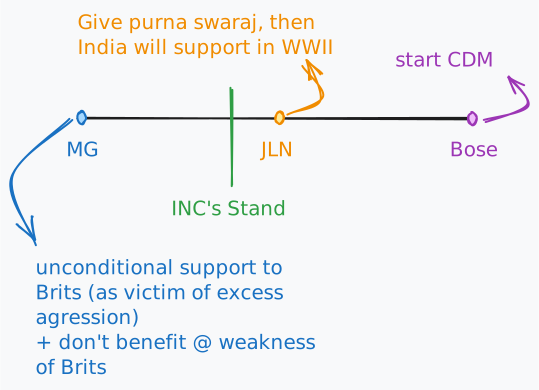
- overall, INC wanted allied victory as after WWI, victories powers took over colonies of losing powers
- all INM progress would be lost as they were themselves dictatorships
- INC demanded the following if Brits wanted support in war effort (INC asking indians to join army + preventing WC strikes, no tax campaigns etc)
- Transfer of power: immediate responsible govt at centre
- CoI: promise CA post war
- Swaraj: declare war aims @ India’s future
- Linlithgow3643 rejected and promised only advisory committee to advice brits in war
- so that indians feel involved
- 1939: Wardha Meet of CWC
- INC refused to support war
- congress ministries to resign
Impact
Link to original
- Linlithgow panick 😰 and promised dominion status after war
- March 1940 - Pak/Lahore resolution by ML 1906

August Offer
By Linlithgow 3643
- advisory war council set up
- Transfer of power: will expand VEC to have more indians
- CoI: CA post war were mainly indians
- solely indians in Cripps Mission 1942
- Swaraj: Dominion status is CoI after war
- ICA 1909: limited SG
- Montague 1917: Swaraj in future
- Irwin 1929: dominion in future
- Linlithgow3641 1920: dominion after war
- first time, brits recognized right of indians in drafting CoI & first time explicit promise of dominion status w/ clear timeline
- thanks Hitler (for WWII)
- Unity: no future CoI w/o minority consent i.e. veto to ML
- 1889: INC no resolution w/o minority consent
Impact
Link to original
- rejected by INC at 1940 Wardha meet
- INC goal purna swaraj
- ML1906 rejected as no partition or two CA explicitly
- individual satyagrah 1940
- launched after failure of AO 1940
- method make anti war speech and demand freedom of speech (not purna swaraj)
- Vinobha Bhave, Nehru, Brahmadutta first three satyagrahis arrested under Defence of India Act
- Satyagrahis launched Delhi Chalo Movement
VEC Expansion 1941
Link to original
- from 3 of 8 indians (GoI 1919), 8 of 12 indians
- but defence, home, finance not with indians
- first time indian ministers majority @ VEC
Cripps Mission 1942
Info
- rejected
- all white
- negotiators: JLN, Maulana Azad
Background
- June 1941: germany attacked USSR
- Dec 1941: japan attacked US
- Dec 1941: INC offered support to brits if
- Swaraj: purna swaraj post war
- Transfer of power: immediate ToP at center
- Reason: INC anxious due to Jap successes
- March 1942: Japan occupied Burma anxious british under US, USSR pressure sent Cripps Mission
The offer
- Swaraj: dominion status after war + foreign policy w/ indians
- CoI: CA post war having solely indians + CA nominees of 565PS + MPLAs after fresh elections in Provinces
- Unity: once the CoI is drafted after any province/PS can decide to not join the union and frame its own constitution or set up its own union within the empire if disagrees w/ the CoI framed by CA
- technically now 565PS + 11 countries possible
- if ToP during war, then defence w/ Viceroy + no dilution of viceroy’s powers. Talks broke down on this point.
Result
Link to original
- MG called Cripps post dated cheque
- INC wanted purna swaraj after war + elected representatives in CA from 565PS + no right to secede to any provice/PS
- ML wanted two CAs, Pakistan
- 😔 partition soon 😔
- however INC agreed to autonomy for MMP in future CoI
- i.e. Article 370 for MMP
Quit India Movement 1942-45
Facts
- Linlithgow: described the Quit India Movement as most serious revolt since sepoy Mutiny
- peasants had joined
- demand for independence on immediate agenda for INM
refer: Quit India Movement.pdf
Link to original
Bengal Famine 1943
- 4-5 million Indians died
- no actual food shortage
- man made famine
- food exported to Europe to meed needs of soldiers and Europeans
- needs of army, Europeans priority over indian lives
- japan controlled Burma
- food imports from Burma stopped
- Poor supply chain management
Impact
Link to original
- huge distrust of brits (favor english lives)
- Winston Churchill denied prohibition of export from India despite Linlithgow’s requests
- by 1943, most brit politicians except Churchill were sympathetic to India
- Churchill criticized as Hitler in Britain and public opinion in Britain shifted more in favour of Indian independence
Azad Hind Fauj (INA) Mar 1942
Link to original
- started by Mohan Singh
- idea in Malaya
- formed in Japan refer: Bengal Famine, INA.pdf
Rajaji Formula 1944
- also called CR Formula
- C Rajagopalachari
- goal purna swaraj
- to repeat Lucknow Pact 1916, giving joint demands to brits
- goal of INC unity bi giving joint demands for smooth & faster transfer of power and territorial integrity of India
Proposals
- Swaraj: ML should support Purna Swaraj
- PoP: INC-ML coalition govt proposal at centre
- Unity: plebiscite after war in MMP on ques of partition and if vote was in favor then weak common center & strong provinces
- i.e. confederation or a Pak within India
- link Sayyed Ahmed Khan’s 2 Nation 1 State theory
- link Cabinet Mission Plan 1946
- or Article 370 types for MMP
Result
MG-Jinnah talks on CR Formula failed as Jinnah wanted
Link to original
- voting based on separate electorates
- not weak common centre but independent pakistan
- implement this before brits leave
- i.e. fear of people like Patel
Desai Liaqat Pact 1945
- 50-50 crackjack
- vision = same as CR formula
- FAILED
- Jinnah refused knowledge of fact
- he tested how far can INC bend
Link to original
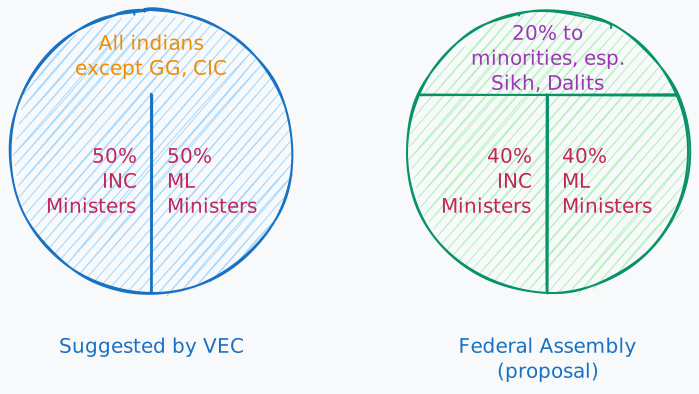

Wavell Plan 1945
- discussed in Shimla Conference Jun 1945
- held after Quit India Movement 1942-45
- based on Desai Liaqat Pact 1945
- Churchill wanted progress in India before elections in Britan
- Wavell 4347 proposed the following
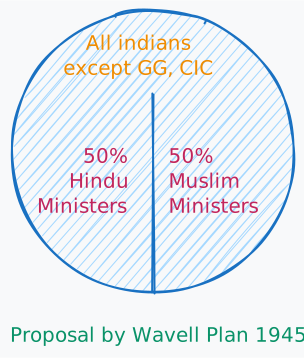
Link to original
- failed because ML wanted Muslim ministers only from ML while INC argued that INC was not a Hindu Org
- Wavell 4347 announced failure as ML could not be convinced
- meant an implicit veto to ML
- prestige of ML boosted
- ML did well in Dec 1945 election to PLAs

Cabinet Mission Plan 1946
Background
- Jun 1945: INC leaders released after defeat of Germans in WWII
- Jun 1945: Shimla Conference where Wavell Plan 1945 discussed
- Jul 1945: Clement Atlee PM
- 15 Aug 1945: WWII ended
- 1945: INA trials began with a trial at Red Fort of
- Prem Sehgal
- Shahnawaz
- Gurbaksh Singh Dhillon
- Dec 1945: elections at PLAs
- INC got majority everywhere except Bengal, Punjab, Sindh
- in NWFP, support of frontier Gandhi Red Shirts
- Assam participated in NCM, CBH and mainly Sylhet district Muslim majority
- INC + Akali + Unionist party coalition govt in Punjab
- ML did well in Muslim seats + got majority in Bengal, Sindh
- Feb 1946: Cabinet Mission arrived - Naval Mutiny
- After Quit India Movement 1942-45, INA agitation 1945-46 and INA Naval Mutiny 1946, Brit realized next mvmt would overthrow them overly
- as they no longer had confidence in the indian military
- Brit on INA: no issue in the past which generated such mass sympathy
Sardar Patel was in favour.
About
- the only proposal that offered united india w/ purna swaraj
- no separate pak
- Brits realized that independence is inevitable + in 3 decades - WWI, GD 1929, WWII weakened brits
- partition would be a diplomatic failure
- brits wanted a strong friend in south asia cold war (1945-91)
- March 1946: anti partition statement by Atlee: a minority won’t be allowed veto over a majority
Proposals
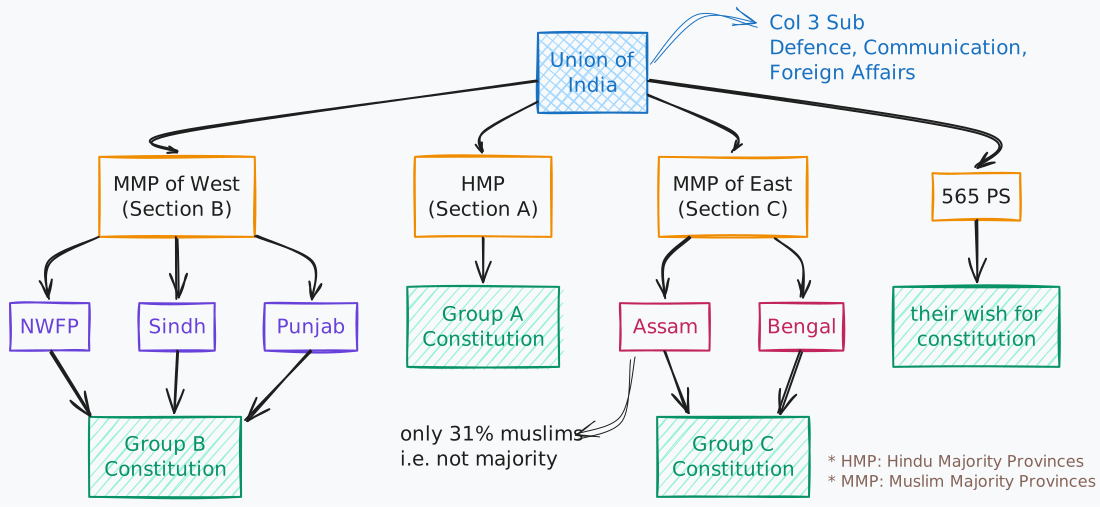
- Unity: no 2 CA
- no veto to ML
- but brits won’t accept CoI not based on INC-ML consensus
- Goal: peaceful ToP (executive at center) and to set a CA for CoI for independent India
- Unity: was 2 nation 1 state solution i.e. weak common center w/ defence, commn., foreign affairs but provincial autonomy over all other subjects and residual powers w/ provices
- similar to Article 370 for all three sections and each PS
- Provinces to be divided into 3 sections
- Hindu Majority Provinces
- MMP of West
- MMP of East
- Union constitution on 3 subjects to be framed by CA having nominees of 565PS and elected members from PLAs
- CA = Group A + B + C + nominees of 565PS
- max constitutions = 4 + 565
- min constitutions = 4
- after general elections, a province may come out of a group i.e. group constitution then not binding on the province
- future changes to constitutions only after 10 years
- immediate ToP at center to an interim govt
- set up in 1946 under PM Nehru
- full independence once CoI drafted
- CA to be populated by Aug 1946
Debate @ CMP 1946
Link to original
- ML wanted right to question union CoI immediately
- and not 10 yrs
- INC argued: grouping not compulsory
- Dec 1945: INC in power in NWFP, Assam
- INC wanted elected representatives from 565PS in CA
- like it wanted during Cripps Mission 1942
- ML1906 argued grouping compulsory partition implicit
- if this correct, then accepts, else rejects CMP1946
- INC decided NWFP, Assam won’t join groups B, C
- ML rejected CMP1946, the interim govt, CA
- gave a call for direct action by Muslims for creation of Pakistan on 16 Aug 1946
- communal riots, eg. in Calcutta 5000 died in a week
- later, ML joined the interim govt as feared INC having exec power
- Liyaqat Ali Khan got finance ministry and did not allow the govt to function
- more details on interim govt: Interim Govt Sept 1946
- choice to each PS to sign or not sign IoA

Attlee Statement 1947
Link to original
- Mar 1946: no veto to minority
- Pro Balkanization Statement
- like Cripps Mission 1942
- by 30 Jun 1948, brits will leave india even if no CoI
- used fear of anarchy to force INC, ML to compromise
- (unity): 565PS not to be under any future GoI
- 565 independent states
- power will be transferred to
- interim govt at center (Nehru)
- to provincial govts for which CA is not representative
- Mountbatten (MTB 🚲) will replace Wavell
- victory for ML & widespread violence and coalition govt of INC punjab overthrown by direct action
Plan Balkan 1947
Link to original
- Apr 1947 by MTB
- US model
- give independence to each province & PS
- give option to them to join or not join CA
- Nehru opposed not important
Mountbatten Plan 1947
Initially wanted to keep India united, but failed. So resorted to Plan Balkan.
Link to original
- 3rd Jun Plan
- within 2 months, MTB realized that Cabinet Mission Plan 1946 (or united india) impossible due to Jinnah
- British National Interest influence in south asia post decolonization
- better to have 2 dominions friendly to britain instead of risking unfriendly future Pak created by direct action
- partition was avoidable if Brits had acted against communal violence but they played passive role of mediators b/w ML & INC
- MTB plan gave dominion status that allowed India & Pak into a commonwealth that was imp for brit trade & business
- political victory for brit govt among brit ppl
- INC agreed to partition & dominion and all other INC demands accepted
- India was to be divided but Pak to be as small as possible and informal promise that 565PS not to be independent + a strong center
- Brits to exit india in 72 days i.e. 15 Aug 1947 (i.e. 1yr advance from 30th Jun 1948)
- in Punjab & Bengal - a simple majority of either Hindu or Muslim MPLA in favor of partition would lead to partition
- MLPA in favor of partition would lead to partition
- Plebiscite in Sindh
- Referendum in NWFP, Sylhet + voting by pol. leaders in Balochistan
- if vote in favor of Pak, then 2CA for 2 dominions and PoP to 2 centers by 15th Aug
- INC & ML both accepted + voted everywhere in favor of partition and Pak
- 2 boundary commissions under Radcliffe - a british jurist set up for demarcating borders in west & east
Indian Independence Act 1947
Link to original
- gave legal status to Mountbatten Plan 1947
- CA of 2 dominions could pass constitutions that end dominion status
- end of jurisdiction of Brit. Parl on brit india and of paramountcy over 565PS on appt. day (15 Aug)
- paramountcy not to be transferred to any govt in 2 dominions
- no use of title of emperor of India
- till passage of constitutions, GoI 1935 to apply
- Chakravarthi Rajagopalchari was the Governor General of Dominion of India
- 21 June 1948 — 26 January 1950