Summary
- Factories Act 1881: dec child labour; WEMC unhappy
- repealed Vernacular Press Act 1882
- amended Arms Act 1878 (everyone needs licence now)
- local self govt
- Ilbert Bill Controversy 1883-84
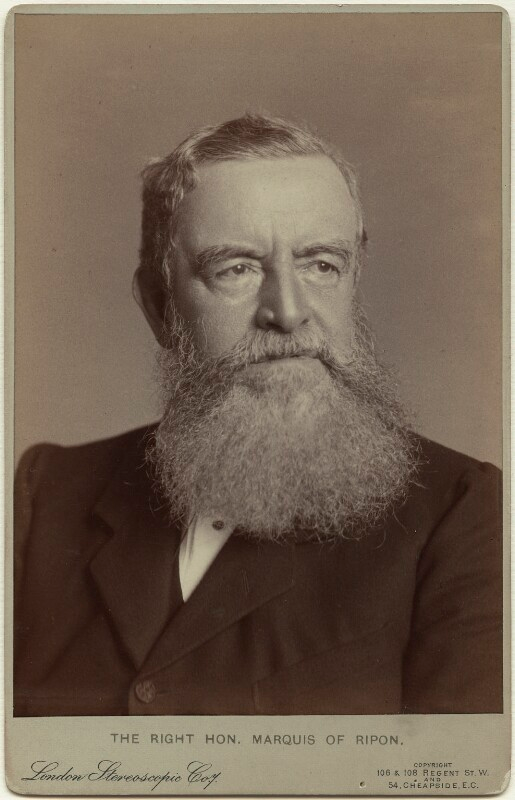
- Rest Commission 1880: led to Bengal Tenacy Act 1885
- Factories Act 1881: dec child labour and working hours
- WEMC as it hurt indian businessmen 😞
- 1882:
- repealed Vernacular Press Act
- initially brought by Lytton
- amended Arms Act 1878
- now everyone needs to have licence
- initially brought by Lytton
- brought ==local self govt==. resolution (district boards)
- i.e. swaraj at third tier
- at provincial level, it was given in 1935
- finally, at center in 1947
- at District Boards, LR payers and rent payers were to elect members
- at Municipalities, minimum 2/3 elected members and chairman to be non officer member
- subject of health, education, sanitation, roads, communication were given to local bodies. Also, autonomy given in functioning
- i.e. focus on regulation rather than control
- similar to Subject Matter divisions in Schedule VII
- i.e. swaraj at third tier
- repealed Vernacular Press Act
- Hunter Education Committee 1882-83
- set up to assess progress made since Wood’s dispatch
- recommendations
- transfer edu subjects to local bodies
- focus and mass edu in vernacular
- age limit in civil services set at 21yr
- proposal to conduct exam in india failed
- Ilbert Bill Controversy 1883-84
- facts: Ilbert Bill 1883
- CP Ilbert was law member of the Viceroy Executive Council
- Brits now under jurisdiction of Indian district judges in rural areas (Mofussil)
- This had to be withdrawn and amended. Now trial was conducted by mixed jury
- Result: imp milestone as WEMC now had no doubt about Brit racism and huge press propaganda favoring Ilbert Bill
- ”pen equivalent to sword; then it sharpened the most here”